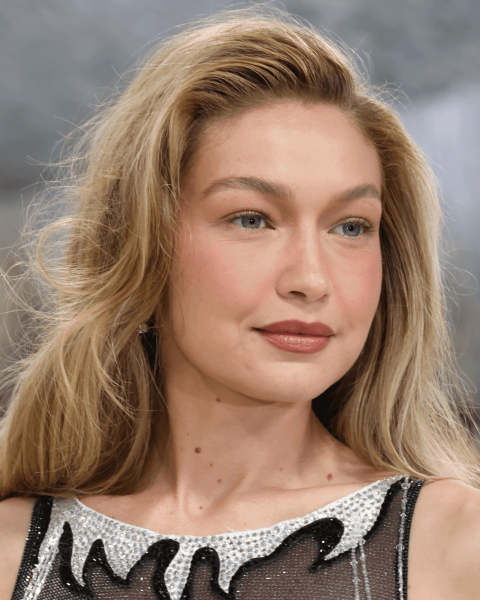
Category: BEAUTY

  • Maura Higgins’s Hair Is Proof That Time-Travel Is Real — See Photos

    Maura Higgins’s Hair Is Proof That Time-Travel Is Real — See Photos

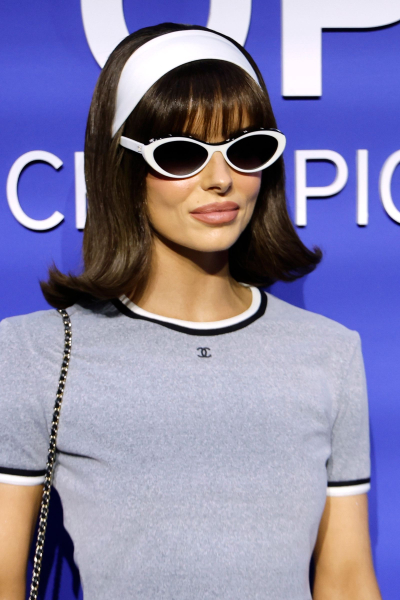
    Maura Higgins wearing sunglasses and headbandPhoto: Getty ImagesSave StorySave this storySave StorySave this story

    If you’ve ever wondered what it would look like if a particularly stylish woman from 1968 suddenly materialized at the US Open in 2026, Maura Higgins has provided a pretty compelling answer. The Traitors alum showed up at the tennis tournament looking as though she’d stepped directly out of an episode of That Girl.

    Higgins wore her hair in a voluminous, shoulder-skimming lob with the ends dramatically flipped outward, creating that unmistakable kicky silhouette associated with so many late-'60s and early-'70s looks. The shape is especially reminiscent of Marlo Thomas's famously flippy hair as Ann Marie. (Look it up, kids!) Her full, straight-across bangs sit just above her brows, adding to the retro shape, not to mention the resemblance.

    Maura Higgins wearing a headband and sunglassesPhoto: Getty Images

    The reality star topped off the style with a wide, white fabric band. It’s the kind of accessory that could have been snatched off a mannequin in a 1960s department-store window, or off of Barbra Streisand’s vanity during her Funny Girl era.

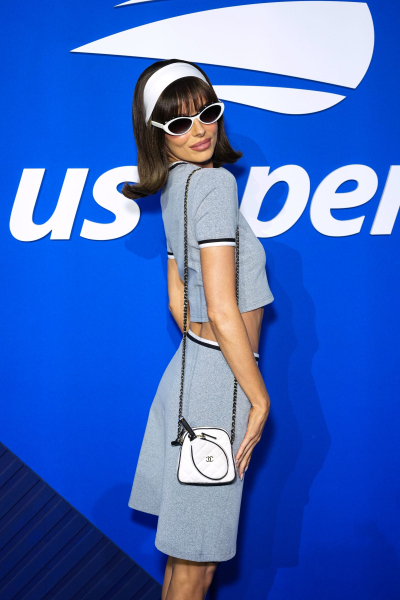
    Her outfit couldn’t have been more suitable for such a throwback hairstyle: a vintage Chanel set consisting of a cropped, short-sleeve top and matching knee-length skirt, both finished with contrasting black-and-white trim that’s mirrored in her cat-eye sunglasses. Strategically tucked into her hair, they beg the question, “Did Maura Higgins even bother doing her eye makeup?”—because we’ve yet to find a photo from the tournament in which she’s not wearing them.

    Maura Higgins wearing a headband and sunglasses with a Chanel outfit and bagPhoto: Getty Images

    Perhaps this flipped-out lob is more than a hairstyle. Maybe the former hairdresser, who has told Allure of her undying love for wearing wigs, is hinting that she’s getting her go-go boots ready for Dancing With the Stars. But even if she doesn’t end up trying some old-school dance moves during her latest reality-TV takeover, she’s at least proven she’s groovy in other ways.

  • How Meta’s Filter Ban for Minors Could Look in Practice

    How Meta’s Filter Ban for Minors Could Look in Practice

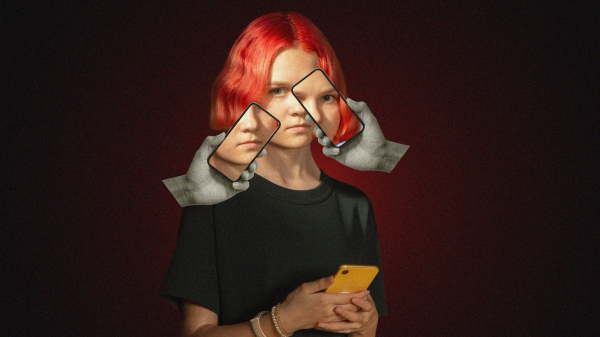
    Image may contain Adult Person Face Head Photography Portrait Accessories and GlassesCollage: Allure; Source images: Getty ImagesSave StorySave this storySave StorySave this story

    Last Wednesday, Meta—the tech giant behind Facebook and Instagram—agreed to pay out roughly $18 billion dollars in a landmark settlement. The agreement will impact 48 states, the District of Columbia, and other U.S. territories, and came about because of a federal lawsuit that claimed the company knew the risks its platforms posed to minors when it came to social media addiction and their mental health, violating state consumer protection laws and child privacy laws.

    Besides the mega payout, which will be made in installments over the next 10 years, Meta has also agreed to make major changes to how minors are able to use its products (anyone aged 13 and older can create a Meta profile), including limiting the use of face-altering beauty filters, which have been found to negatively impact teens psychologically. Compared to other changes—like restricting minor use to two hours per day and giving them the option to have a non-personalized feed—what, exactly, the limits on beauty filters will look like is still a bit fuzzy.

    The dangers of social media usage for minors are well-documented and excessive use of appearance-altering filters, especially among young girls, can have a negative impact on mental health, so yes, in theory, banning filters is a great idea. Sera Lavelle, PhD, a clinical psychologist in New York City, says she’s witnessed the negative effects of social media show up in her younger patients. “You see a lot of more people becoming obsessed with perfection and feeling extremely lonely,” she says. “We've noticed, even in our own clinical practice, people not even wanting to leave the house if they have a blemish.”

    “I don't think that every teenager who uses a filter will develop a mental health problem but if you're repeatedly exposed, it can normalize an unattainable standard, and for vulnerable teens it can contribute to body dissatisfaction, body dysmorphia, and anxiety about their appearance,” agrees Suzanne Wallach, LMFT, founder of SoCalL DBT. “They can start to obsess about comparing themselves and about parts of their body, and it can contribute to the belief that the way they appear naturally isn't good or beautiful enough.”

    However, the language in the settlement isn’t explicit about how Meta will decide what “beauty filters” are appropriate for minors to use and how the company will implement regulations to keep them out of the hands of vulnerable teens. All we know, according to the company’s press release about the settlement, is that “extreme makeup filters” will no longer be accessible for the age group. Minors will still be able to use filters that mimic makeup and smoothing effects, Meta says, and that as the measures roll out, what constitutes a bannable filter will come into focus. The impact on teens’ mental health, albeit a positive one, is expected to be minimal, according to the experts Allure spoke with for this story.

    “I'd be cautious about expecting a dramatic improvement in mental health just from this, because it's not just beauty filters causing teens to encounter unrealistic beauty standards,” says Wallach. “Their feeds are still filled with professionally altered photos from celebrities, cosmetic procedures, influencers, super-edited images, makeup transformations, and the highlight reel versions of other people's lives.” Meta has shown no indication that it will limit the use of these beauty filters for the many adults on its platforms, plus it’s quite easy for anyone of any age to add a filter to an image or video in another app, then upload it to a Meta platform. Meta says they will work to add a “Made With AI” label when it detects a post has been edited using AI, whether with the company's own tools or a third party.

    “It sounds like a step in the right direction, but I could imagine it being not as successful as they think it would be,” Dr. Lavelle says.

    This isn’t the company’s first time trying to restrict face-altering filters. In October 2019, Meta banned filters that “encourage plastic surgery,” which included filters that directly promoted cosmetic surgery by showing surgical lines on the skin and drastically altered appearances like adding bigger lips, sharper cheekbones, and a thinner jawline. The recently settled lawsuit alleged that Meta CEO and founder Mark Zuckerberg vetoed this ban the following year, but Meta denies that it reversed the ban.

    Another hurdle Meta will have to cross is age verification, which is a feature that’s relatively easy to get around. Right now, Meta asks users how old they are via a dropdown box and takes them at their word, though the company says it's working to strengthen the technology used to find people it believes are minors, even if they list an adult birthday, and automatically convert them to a teen account. The company says it could possibly implement new age verification software—either its own version or one from a third party.

    Kate Ruane, director for the Free Expression Project at the Center for Democracy and Technology, says that will end up being a “privacy disaster.” Meta may end up subjecting its users, regardless of age, to age verification practices that may include requiring a government ID and biometric scans. To enforce the rest of the proposed changes, Ruane says Meta will need to invasively monitor and analyze teens’ activity. "While it might have been helpful for the company to take some of these steps to protect younger users on its own, it's a dangerous game when the government tries to decide what information a group of people can or can't access, and especially so when that decision comes at privacy's expense,” she says.

    Still, some advocates for children’s online safety think Meta’s proposed changes aren’t enough. “If we want to be serious about teen mental health, we have to look at the entire system of social media,” Wallach says. “But I do think this is a meaningful start, especially paired with other changes.”

    According to The New York Times, Meta and other tech companies, including YouTube, TikTok, and Snap, have thousands of cases open across multiple states that allege the platforms are addictive for children. Only time will tell if Meta in particular will continue to settle out of court or head to trial.

  • Urea Is an Under-the-Radar Ingredient That Softens Skin from Head to Toe

    Urea Is an Under-the-Radar Ingredient That Softens Skin from Head to Toe

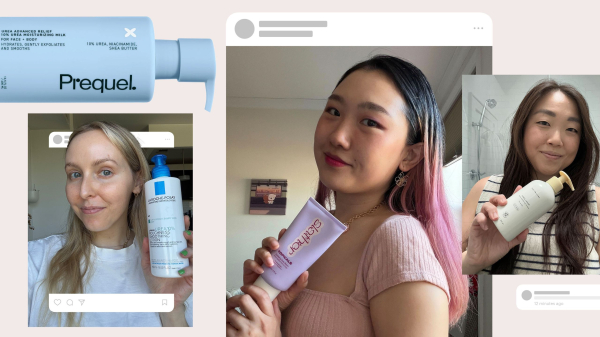
    Image contains a collage of Allure editors with the best urea moisturizersCollage: Jemeria Davison; Source images: Courtesy of brandsSave StorySave this storySave StorySave this story

    If you're not yet using one of the best urea moisturizers, you might want to start. For the uninitiated, urea is a compound naturally found in your skin, according to Maya Thosani, MD, a board-certified dermatologist based in Scottsdale, Arizona. “It’s part of the skin’s natural moisturizing factor, a group of water-binding molecules that keeps its outer layer soft and flexible,” she says. Unlike ceramides, which reinforce the moisture barrier, or hyaluronic acid, which mainly hydrates at the surface, urea can moisturize and, at higher strengths, exfoliate dead skin cells.

    The concentration will tell you whether a formula will primarily hydrate, exfoliate, or do a little of both. At 2% to 5%, urea mainly draws in and holds water, making it ideal for daily hydration. Around 10% to 20%, it moisturizes while having a mild keratolytic effect, “which means it loosens built-up dead skin cells and smooths rough texture,” says Dr. Thosani. Formulas above 20% are best for thick calluses and heels. “For other areas of the body, about 10% is the right place to start,” she says.

    Our Top Urea Moisturizers

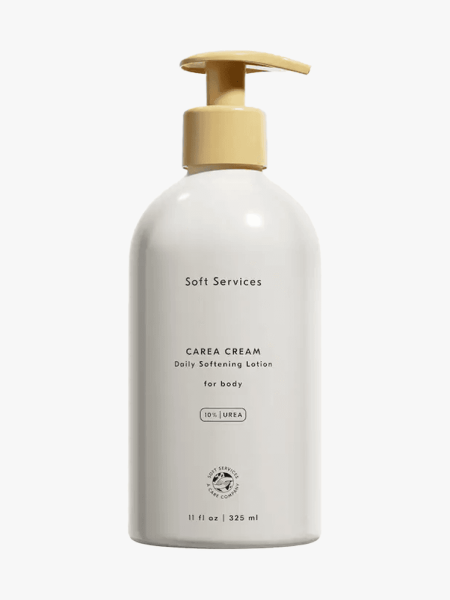
    • Best Overall: Soft Services Carea Cream, $40
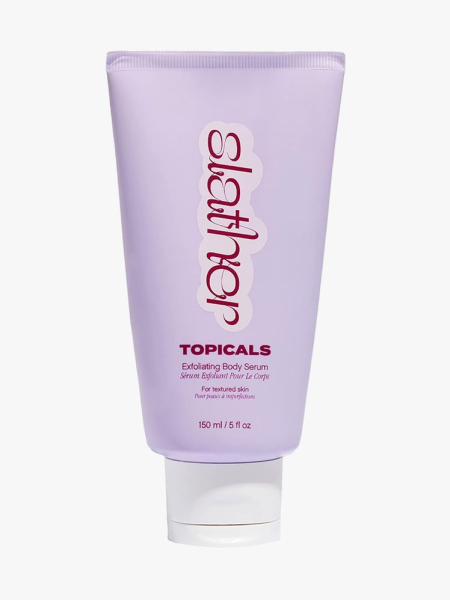
    • Best for Dull Skin: Topicals Slather Exfoliating Body Serum, $30
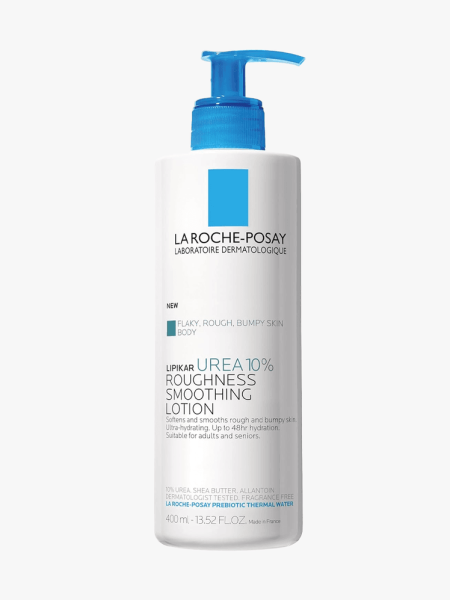
    • Best Drugstore: La Roche-Posay Lipikar Urea 10% Roughness Smoothing Lotion, $23
    • Best for Cracked Heels: Flexitol Heel Balm, $14

    Frequently Asked QuestionsAccordionItemContainerButtonLargeChevron

    • What is urea?
    • Is urea safe for sensitive skin?
    • Is urea safe during pregnancy?
    • How we test and review products
    • Our staff and testers

    Ahead, our experts and editors share their favorite formulas for softer, smoother skin from head to toe.

    Best Overall: Soft Services Carea Cream

    Soft Services Carea Cream in branded bottle component on a light gray backgroundSave to wishlistSave to wishlist

    Soft Services

    Carea Cream

    $40

    Amazon

    $40

    Sephora

    $40

    Soft Services

    Allure contributing commerce writer Christa Joanna Lee applying the Soft Services Carea Cream

    Christa Joanna Lee

    Why we love it: Soft Services’ Carea Cream has earned a devoted following since it debuted as one of the brand’s original launches. After a few reformulations, the beloved body lotion has reached its latest iteration, pairing the heft of a cream with a surprisingly milky, easy-to-spread texture. The star is 10% urea, which pulls double duty by both moisturizing and gently loosening the dead skin and keratin buildup that causes rough, bumpy skin. Three percent squalane and 1.5% colloidal oatmeal soften, soothe, and reinforce the moisture barrier, while glycerin, betaine, and sodium hyaluronate draw in further hydration. Shea butter seals it all in, and panthenol, allantoin, and Centella asiatica (a.k.a. cica) offer additional comfort for dry skin.

    Tester feedback from contributing commerce writer Christa Joanna Lee

    AccordionItemContainerButtonLargeChevron

    “I’m the person who will always forget to put on body lotion because I’m rushing to get dressed—and then spend the rest of the day wondering why my arms feel like sandpaper (hi, KP). This body lotion is the first formula that’s actually made me want to slow down and use it: It has an almost milky, run-off-your-fingers texture, but once it absorbs, it’s unbelievably silky and leaves zero residue. I can’t stop talking about how amazing it feels. Soft Services, you have me convinced.” —Christa Joanna Lee, contributing commerce writer

    More to know

    AccordionItemContainerButtonLargeChevron

    • Percentage of urea: 10%
    • Other key ingredients: 3% squalane, 1.5% colloidal oatmeal, glycerin, betaine, sodium hyaluronate, shea butter, panthenol, allantoin, Centella asiatica
    • Fragrance-free: yes

    Best for Dull Skin: Topicals Slather Exfoliating Body Serum

    Topicals Slather Exfoliating Body Serum in branded tube component on a light gray backgroundSave to wishlistSave to wishlist

    Topicals

    Slather Exfoliating Body Serum

    $30

    Amazon

    $30

    Sephora

    Allure commerce editor Sarah Han applying the Topicals Slather Exfoliating Body Serum

    Sarah Han

    Why we love it: Calling everyone with keratosis pilaris, strawberry skin, clogged pores, dry patches, or flaking—and let’s be real, most of us fall into at least one of those categories, or you probably wouldn’t be here. Topicals’ Slather Exfoliating Body Serum, a past Best of Beauty Award winner, brings the kind of ingredient lineup typically reserved for your face to the skin below your neck.

    Its milky, fragrance-free formula combines encapsulated retinol with glycolic and lactic acids to encourage cell turnover and resurface rough skin texture. While the brand doesn't disclose the exact percentage of urea, the ingredient joins squalane, glycerin, and phospholipids to deliver hydration while the AHAs and retinol do the sloughing work. Squalane, glycerin, and phospholipids provide additional moisture support, while green-tea extract, vitamin E, and antioxidant coenzyme Q10 round out the formula.

    Thanks to its combination of retinol and exfoliating acids, the serum also helps brighten uneven skin tone and fade post-inflammatory hyperpigmentation. “I like this option for people who want a more targeted, results-driven product if they want to spot treat specific dark areas of their skin—but it’s still appropriate for full-body use,” Jenna Queller, MD, a board-certified dermatologist based in Boca Raton, Florida, previously told Allure. (It is called Slather, after all.)

    Tester feedback from commerce editor Sarah Han

    AccordionItemContainerButtonLargeChevron

    “It's no wonder this milky body serum is so popular (and a Best of Beauty winner): It packs serious texture-evening, exfoliating benefits—retinol is a gold-standard ingredient for this reason, and not just for the face—but feels light as a feather. When my skin is looking particularly rough and dull, I make a beeline for Slather. Applying this a few times a week makes a noticeable difference—my limbs look radiant and feel as smooth as a baby's bum.” —Sarah Han, commerce editor

    More to know

    AccordionItemContainerButtonLargeChevron

    • Percentage of urea: undisclosed
    • Other key ingredients: glycolic acid, lactic acid, encapsulated all-trans-retinol, squalane, glycerin, phospholipids
    • Fragrance-free: yes

    Best Drugstore: La Roche-Posay Lipikar Urea 10% Roughness Smoothing Lotion

    La Roche-Posay Lipikar Urea 10% Roughness Smoothing Lotion in white and blue branded bottle component on a light gray backgroundSave to wishlistSave to wishlist

    La Roche-Posay

    Lipikar Urea 10% Roughness Smoothing Lotion

    $23 $20 (13% off)

    Amazon

    $23

    Dermstore

    $23

    Ulta Beauty

    Sarah Kinonen applying La Roche-Posay’s Lipikar Urea 10% Roughness Smoothing Lotion

    Sarah Kinonen

    Why we love it: If your skin seems to drink up body lotion only to feel dry again in minutes (or so it feels), La Roche-Posay’s Lipikar Urea 10% Roughness Smoothing Lotion offers long-lasting nourishment. “10% urea plus shea butter is the perfect pairing I want on dry skin,” says Dr. Thosani. Shea butter and rapeseed oil create the lipid-rich layer that slows moisture loss because, as Dr. Thosani puts it, “hydration without something to seal it is a short-lived fix,” particularly during winter or in an overheated environment.

    It also contains HEPES—short for hydroxyethylpiperazine ethane sulfonic acid—which is a buffering agent that keeps the formula’s pH stable and offers the added benefit of gently loosening dead cells at the surface, while allantoin soothes and protects dry, easily irritated skin. Despite its rich, moisture-sealing formula, the lotion absorbs quickly enough that you can get dressed right after applying it, and the generous 13.5-ounce bottle encourages head-to-toe use. “This is one I keep coming back to for patients whose skin gets ashy and tight no matter how much lotion they use,” Dr. Thosani says.

    Tester feedback from beauty director Sarah Kinonen

    AccordionItemContainerButtonLargeChevron

    "If I'm not slathering myself with body lotion 10 seconds after I step out of the shower, something's wrong. (Alert my husband—he understands my strict regimen.) The moisturizing routine has been a large part of my Everything Shower experience, and it shall not be skipped. Normally, I tend to use whatever fragrance-free cream I have lying around, but after trying the La Roche-Posay Lipikar Urea 10% Smoothing Lotion when temps started to rise outside, there’s no going back. Because of its combination of 10% urea, a gentle exfoliating ingredient, and shea butter, using the lightweight lotion feels like using two products at once. And although I love my Everything Shower routine, if there’s a product that’ll help speed it up, I’m all in." —Sarah Kinonen, beauty director

    More to know

    AccordionItemContainerButtonLargeChevron

    • Percentage of urea: 10%
    • Other key ingredients: shea butter, rapeseed oil, hydroxyethylpiperazine ethane sulfonic acid
    • Fragrance-free: yes

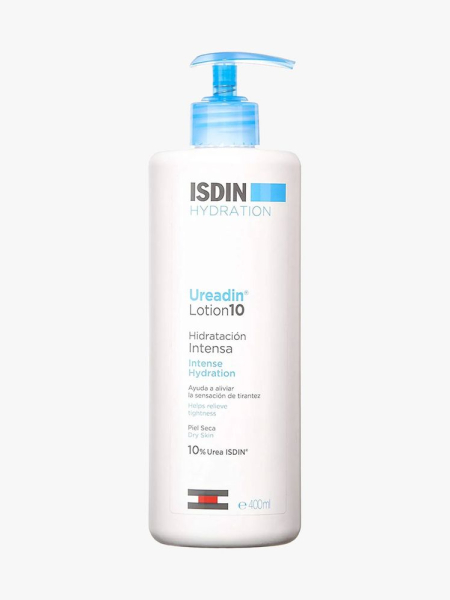
    Best for Dry Skin: Isdin Uradin Lotion 10 Hydrating Body Lotion for Dry Skin

    White bottle of Isdin Uradin Lotion 10 Hydrating Body Lotion for Dry Skin  with blue pump on light gray backgroundSave to wishlistSave to wishlist

    Isdin

    Uradin Lotion 10 Hydrating Body Lotion for Dry Skin

    $42

    Amazon

    $42

    Dermstore

    Lee applying the Isdin Uradin Lotion 10 Hydrating Body Lotion for Dry Skin

    Christa Joanna Lee

    Why we love it: Granted, all lotions are supposed to help dry skin, but Isdin’s Uradin Lotion 10 Hydrating Body Lotion is built for Sahara levels of parched—without leaving a heavy residue on skin. “This one has 10% urea in a fluid, fast-absorbing texture that does not sit on top of skin or leave a film,” says Dr. Thosani. Three percent dexpanthenol—a form of moisturizing vitamin B5—joins glycerin to draw in more moisture and soothe dryness-related itchiness, while avocado oil and dimethicone smooth the skin's outer layer. Despite that heavy-duty résumé, the lotion sinks in seamlessly. One note for sensitive noses (and skin): Unlike many of the other fragrance-free formulas on this list, this one does contain added fragrance.

    Tester feedback from Lee

    AccordionItemContainerButtonLargeChevron

    “I’ve dealt with keratosis pilaris for years, and the backs of my arms can get so desert-dry, which only makes those little bumps more noticeable. My calves aren’t much better—I’ll scratch in my sleep and wake up with marks from how itchy they get. I’d somehow never tried a lotion with urea before, so Isdin’s Uradin Lotion 10 felt like a bit of a revelation. It softens and smooths all my rough patches (even the elbows!), and it sinks in quickly without feeling sticky. Even five or six hours after applying it, my skin still feels soft and comfortably moisturized.”—Christa Joanna Lee, contributing commerce writer

    More to know

    AccordionItemContainerButtonLargeChevron

    • Percentage of urea: 10%
    • Other key ingredients: 3% dexpanthenol, glycerin, avocado oil, dimethicone
    • Fragrance-free: no

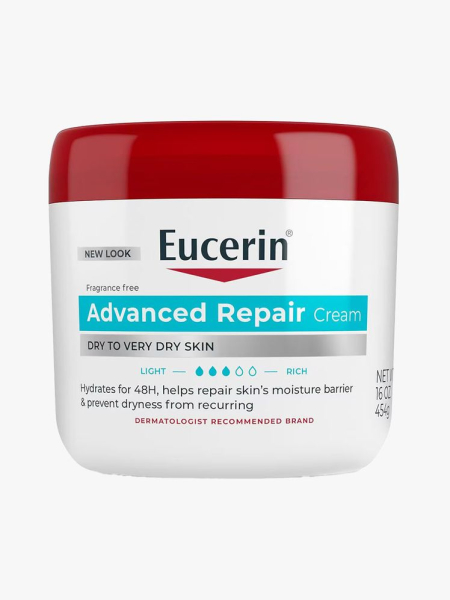
    Best for Keratosis Pilaris: Eucerin Advanced Repair Cream

    Tub of Eucerin Advanced Repair Cream with red cap on light gray backgroundSave to wishlistSave to wishlist

    Eucerin

    Advanced Repair Cream

    $16 $13 (19% off)

    Amazon

    Why it’s worth it: Those stubborn little “chicken skin” bumps may have finally met their match in Eucerin’s Advanced Repair Cream. “Urea can improve the texture of keratosis pilaris while supplying the moisture skin needs to stay healthy,” says Lauren Moy, MD, a double board-certified dermatologist based in Beverly Hills, California. And this fragrance-free formula contains 5% urea, a concentration that primarily draws water into the skin and softens rough patches—including keratosis pilaris—rather than acting as an intensive exfoliant. Lactic acid does more of the actual sloughing, helping clear away the dead-skin buildup that contributes to KP’s telltale bumps.

    Glycerin, shea butter, and ceramides also soften dry skin and help seal in moisture. Whitney Hovenic, MD, a board-certified dermatologist based in Reno, Nevada, calls it “a go-to recommendation for patients struggling with skin dryness and itchiness,” adding that it provides lasting hydration and gently smooths rough, flaky skin.

    More to know

    AccordionItemContainerButtonLargeChevron

    • Percentage of urea: 5%
    • Other key ingredients: lactic acid, glycerin, shea butter, ceramides
    • Fragrance-free: yes

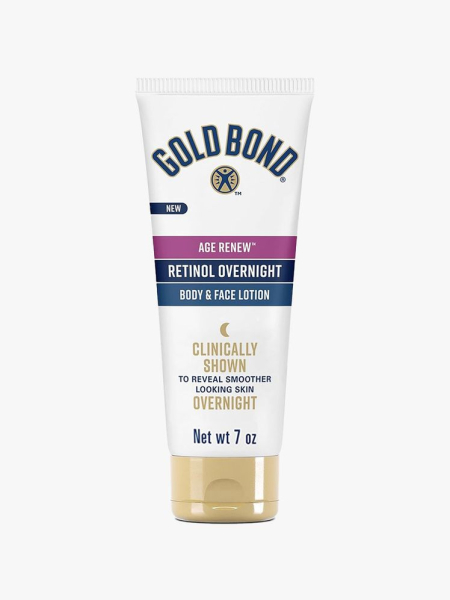
    Best for Mature Skin: Gold Bond Age Renew Retinol Overnight Body & Face Lotion

    A white tube of Gold Bond Age Renew Retinol Overnight Body & Face Lotion.jpg on light gray backgroundSave to wishlistSave to wishlist

    Gold Bond

    Age Renew Retinol Overnight Body & Face Lotion

    $12

    Amazon

    $12

    Walmart

    Why it’s worth it: Gold Bond’s Age Renew Retinol Overnight Body & Face Lotion brings some of facial skin care’s most trusted ingredients—retinol—to the rest of your body to address all-over dryness, crepiness, and uneven texture that can naturally happen as skin matures. “Retinol plus peptides and niacinamide in a base built around hydroxyethyl urea” makes this formula especially well-rounded, says Dr. Thosani. Retinol supports skin renewal and collagen production, while peptides and niacinamide help skin look firmer, smoother, and more even. Hydroxyethyl urea—a moisture-attracting urea derivative—acts solely as a humectant in this formula. “It hydrates; it does not exfoliate,” she explains. (That’s a good thing here, since it counters the dryness that can sometimes come with retinol). Shea and cocoa butters, glycerin, squalene, dimethicone, and ceramides provide even more cushioning moisture.

    The rich lotion absorbs surprisingly well, is fragrance-free, and won’t blow through your body-care budget—but don’t expect overnight magic. “Give it a couple of months before you judge it, especially when using it on your body,” says Dr. Thosani. “Body skin is thicker, so retinol tends to work more slowly there.”

    More to know

    AccordionItemContainerButtonLargeChevron

    • Percentage of urea: undisclosed
    • Other key ingredients: retinol, peptides, niacinamide, shea butter, cocoa butter, glycerin, squalene, dimethicone, ceramides
    • Fragrance-free: yes

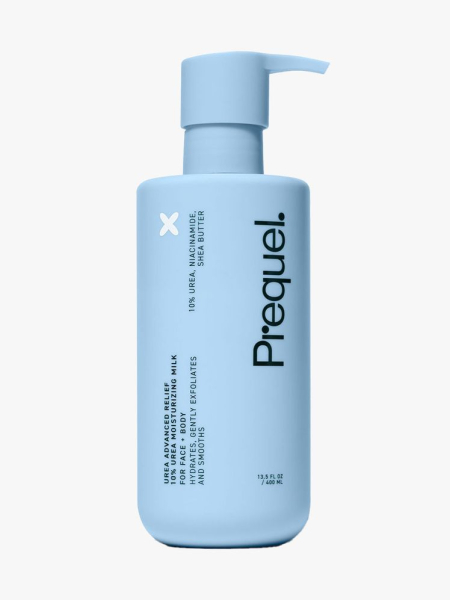
    Best for Sensitive Skin: Prequel Urea Advanced Relief Lotion

    Baby blue pump bottle bottle of Prequel Urea Advanced Relief Lotion on light gray backgroundSave to wishlistSave to wishlist

    Prequel

    Urea Advanced Relief Lotion

    $44

    Amazon (2-Pack)

    Why it’s worth it: If you have sensitive skin, the word “exfoliation” may be enough to make you back away slowly, but Prequel Urea Advanced Relief Moisturizing Milk offers a more approachable way to smooth roughness. Its fragrance-free formula contains 10% urea, which replenishes hydration while mildly exfoliating the dry, flaky buildup that can make your skin feel rough or itchy. “If you’ve historically found that acid-based body exfoliants sting too much to keep using, this urea lotion is what you should try instead,” says Dr. Thosani. Glycerin, shea butter, jojoba esters, and dimethicone provide extra doses of skin-softening powers. Niacinamide is another standout: Dr. Thosani calls it “one of the most useful ingredients for reactive and pigment-prone skin” because it simultaneously calms inflammation and improves uneven skin tone.

    The silky, lightweight lotion has earned the National Eczema Association’s Seal of Acceptance and the National Psoriasis Foundation’s Seal of Recognition—credentials that show its safety-testing data were reviewed for potential irritants and suitability for people with eczema, psoriasis, and severely sensitive skin. Though no seal can guarantee that every complexion and skin type will react peacefully, these offer an extra layer of reassurance for easily irritated skin.

    More to know

    AccordionItemContainerButtonLargeChevron

    • Percentage of urea: 10%
    • Other key ingredients: glycerin, shea butter, jojoba esters, dimethicone, niacinamide, vitamin E
    • Fragrance-free: yes

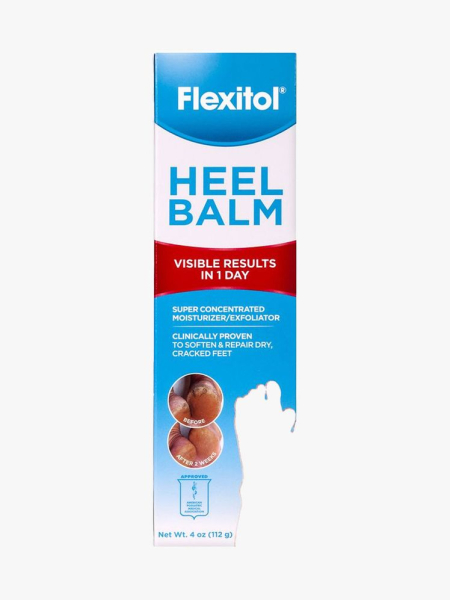
    Best for Cracked Heels: Flexitol Heel Balm

    Box of Flexitol Heel Balm on light gray backgroundSave to wishlistSave to wishlist

    Flexitol

    Heel Balm

    $14 $13 (7% off)

    Amazon

    Why it's worth it: With 25% urea, “Flexitol’s Heel Balm is about as strong as most people need without a prescription, and heels are the one place on the body that warrant it, since the skin there is thick, has almost no oil glands, and takes a beating from walking,” says Dr. Thosani. At this strength, urea works as a powerful exfoliant, teaming up with glycolic acid to break down hard, thickened skin. (In other words, this isn’t an all-over foot cream: It’s a targeted treatment meant for especially rough areas, such as heels and calluses.) Lanolin and shea butter then form a protective layer that seals in hydration, while sodium PCA, panthenol, allantoin, aloe, and vitamin E soften and soothe.

    “This is a balm rather than a lotion, so it’s dense and takes a minute to sink in, but that’s what you want overnight,” Dr. Thosani says. That occlusive texture keeps moisture from escaping, and with consistent use, she says you can expect to see a difference within a week or two. One important caveat: “Skip it on heels that are actively split or bleeding, and have those cracks evaluated by a medical professional instead,” she says.

    More to know

    AccordionItemContainerButtonLargeChevron

    • Percentage of urea: 25%
    • Other key ingredients: lanolin, shea butter, sodium PCA, panthenol, allantoin, aloe, vitamin E
    • Fragrance-free: no

    Frequently Asked Questions

    What is urea?

    You may not be familiar with urea quite yet, but your skin certainly is. “It’s the natural component of the skin’s moisturizing factor—the group of water-binding molecules in its outermost layer that keeps it soft, hydrated, and flexible,” says Dr. Thosani. Healthy skin contains roughly 7% urea in this layer, but these levels can decline with age, exposure to cold and dry air, and conditions such as eczema and psoriasis.

    Although the urea used in skin-care products is made in a lab, it’s chemically identical to the urea naturally found in skin, so applying it topically replenishes what your skin may be lacking. “At lower concentrations, it acts primarily as a humectant that attracts and holds water, while at higher concentrations, it also exfoliates by loosening dead-skin buildup,” she says.

    Is urea safe for sensitive skin?

    Yes, urea creams and moisturizers are generally safe for sensitive skin, and the ingredient is often better tolerated than the exfoliating acids people might use instead. Unlike glycolic and lactic acids, it doesn’t smooth by lowering the skin’s surface pH. “It smooths by softening rather than by peeling,” says Dr. Thosani, adding that its hydrating and barrier-supporting benefits may make skin less reactive to irritants over time. If your skin is in the middle of a flare, Dr. Thosani recommends calming inflammation first, then introducing urea later for maintenance. Start with a lower concentration and patch-test before applying it widely.

    Is urea safe to use during pregnancy?

    Yes, topical urea is generally considered safe to use during pregnancy. “Urea is a compound your body already produces and naturally has in the skin,” says Dr. Thosani. “It isn’t hormonal, and the amount absorbed into the bloodstream from a body lotion is considered minimal.” Still, pregnancy recommendations can vary, so check with your OB-GYN if you have any concerns, especially before using a high-concentration formula.

    Meet the experts

    • Whitney Hovenic, MD, a board-certified dermatologist and co-founder of Spooge based in Reno, Nevada
    • Lauren Moy, MD, a double board-certified dermatologist of Moy MD based in Beverly Hills, California
    • Maya Thosani, MD, a board-certified dermatologist at Modern Dermatology, based in Scottsdale, Arizona
    • Jenna Queller, MD, a board-certified dermatologist and founder of DermWorks, based in Boca Raton, Florida

    How we test and review products

    When Allure tests a product, our editors look at it from every angle in an effort to best serve you. We review ingredients, scrutinize brand claims, and, when necessary, examine peer-reviewed scientific and medical studies. In addition to testing each and every product that's included in each and every review, we rely on experts who shape their fields, including dermatology, cosmetic chemistry, and medicine, to help us vet the ingredients and formulas.

    For our list of the best urea moisturizers, we considered each product's performance across five primary categories: product ingredients and efficacy, packaging, fragrance, texture, and product wear. Every product was determined to have excelled in each category by our editorial team, which is composed of in-house writers and editors as well as contributors—along with special consideration from board-certified dermatologists. To learn more information on our reporting and testing processes, read our complete reviews process and methodology page.

    Our staff and testers

    A beauty product is a personal purchase. You might be searching for a face cream to address persistent dryness or a new nail product to add to your Sunday self-care routine; you may simply be browsing around for the latest launches to hit the hair market. No matter what you seek or your individual needs and concerns, Allure wants to ensure that you love anything we recommend in our stories. We believe that having a diverse team of writers and editors—in addition to the wide range of outside testers and industry experts we regularly call upon—is essential to reaching that goal.

    After all, can we really say a skin-care product is the "best" for people over 50 if the only testers we've solicited opinions from folks who have yet to hit 30? Can we honestly deem a high-end diffuser worthy of your hard-earned cash if it’s never been tested on curls? We're proud that our staff spans a wide range of ages, skin tones, hair textures, genders, and backgrounds, which means that we are able to fairly assess any beauty product that comes into the beauty closet.

  • 9 Best Foundations for Oily Skin for a Smooth, Natural-Looking Finish

    9 Best Foundations for Oily Skin for a Smooth, Natural-Looking Finish

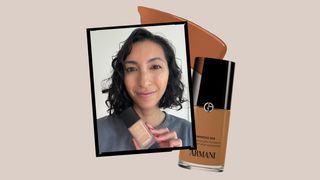
    A collage of an Allure editor holding the Chanel Ultra Le Teint foundation alongside a product silo of the Armani Beauty...Collage: Jemeria Davison; Source images: Courtesy of brands and editorsSave StorySave this storySave StorySave this story

    If your skin looks shiny by midday—and your base makeup consequently slides off—good news: The best foundations for oily skin can work wonders to keep your skin gleaming, but not greasy. And these days, they “don’t always need to be ultra-matte,” says Los Angeles-based makeup artist Alexandra McCormick.

    In fact, taking away every hint of glow can leave your complexion looking one-dimensional—and isn’t necessarily the secret to keeping oil in check. “Extremely mattifying formulas can sometimes make the skin look flat or even encourage the skin to produce more oil throughout the day,” she says. Instead, McCormick typically reaches for “a long-wearing liquid foundation with a natural or soft-matte finish,” which can control shine without making skin look like it’s wearing a ton of makeup.

    Our Top Foundations for Oily Skin

    • Best Overall: Estée Lauder Double Wear Stay-in-Place Foundation, $52
    • Best Long-Wearing: Chanel Ultra Le Teint, $69
    • Best for Combination Skin: Fenty Beauty Pro Filt'r Fluid Flex Foundation, $48
    • Best Lightweight: Armani Beauty Luminous Silk Foundation, $69
    • Best Drugstore: L’Oréal Paris Infallible Fresh Wear Foundation, $19

    Rule of thumb: McCormick recommends seeking out oil-free or oil-controlling, long-wearing formulas with buildable coverage rather than anything overly heavy. Liquids tend to offer the most natural-looking results while keeping oil in check, but powder foundations certainly have their place, too: “They’re particularly useful for very oily complexions and midday touch-ups,” says McCormick. And if you prefer a little more radiance, oily skin doesn’t automatically rule out a luminous finish. Look for lightweight formulas that deliver a soft, skin-like glow rather than a slick or dewy finish. Ahead, our favorite foundations that strike that just-right balance.

    Frequently Asked QuestionsAccordionItemContainerButtonLargeChevron

    • What is the best foundation for oily skin?
    • How can I make foundation last longer on oily skin?
    • Meet the experts
    • How we test and review products
    • Our staff and testers

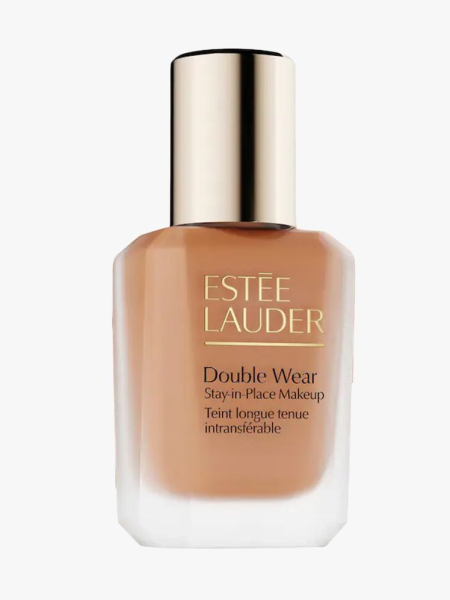
    Best Overall: Estée Lauder Double Wear Stay-in-Place Foundation

    Estée Lauder Double Wear Stay-in-Place Longwear Matte Foundation in branded component on a light gray backgroundSave to wishlistSave to wishlist

    Estée Lauder

    Double Wear Stay-in-Place Foundation

    $52

    Amazon

    $52

    Nordstrom

    $52

    Ulta Beauty

    Allure editor in chief Jessica Cruel applying Estée Lauder Double Wear Stay-in-Place Foundation

    Jessica Cruel

    Why we love it: When Estée Lauder’s Double Wear Stay-in-Place Foundation debuted in the ’90s, it basically wrote the rulebook for long-wear foundation—and nearly 30 years later, it’s still showing the category how it’s done. The recently reformulated icon now comes in a whopping 70 shades, promises up to 36 hours of wear, and, perhaps most importantly, feels lighter and more fluid than its predecessor. Credit the brand’s proprietary Polymer Mesh Matrix Technology, a breathable polymer system that moves with your skin, while color-treated micro-pigments keep your shade from shifting, even as oil from your skin might build up during the day.

    “Double Wear has earned its reputation because it gives you tremendous control and dependable wear,” says New Jersey-based makeup artist Lauren D’Amelio Ventre, who reaches for it when a complexion needs to “remain polished for hours without constant maintenance.” But don't mistake its staying power for an invitation to pile it on. “All you need is a thin layer and then add coverage only where it is actually necessary,” says Ventre. And the formulation update isn't all about wear: Glycerin and hyaluronic acid keep moisture levels up, while the brand’s proprietary AlgaNiacin blend of niacinamide and brown algae extract reins in excess oil over time.

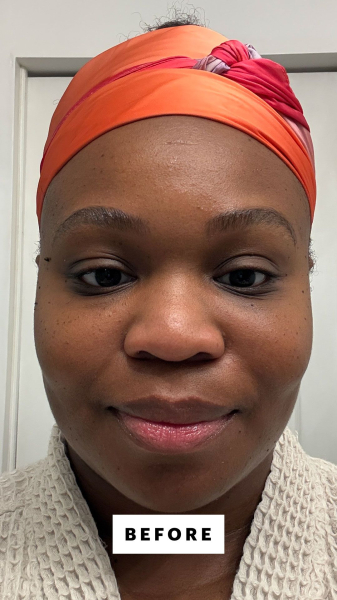
    Allure editor in chief Jessica Cruel before applying Este Lauder Double Wear StayinPlace Foundation

    Cruel before applying Estée Lauder Double Wear Stay-in-Place Foundation

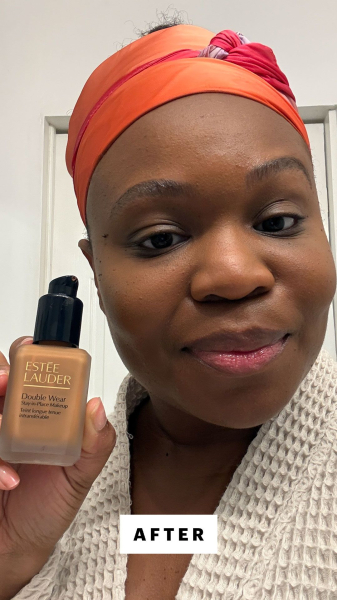
    Jessica CruelAllure editor in chief Jessica Cruel after applying Este Lauder Double Wear StayinPlace Foundation

    Cruel after applying Estée Lauder Double Wear Stay-in-Place Foundation

    Jessica Cruel

    Tester feedback from editor in chief Jessica Cruel

    AccordionItemContainerButtonLargeChevron

    “You can feel the difference in the new formula instantly. It's more liquid-y and loose than the original. Where one drop does the job with the OG formula, it takes two or three to get the same level of coverage. This allows the wearer to customize. The original had one speed—full coverage or bust. This version can be light, medium, or full. One note: You have to let each layer dry down a bit before adding more to get the best results. For those Double Wear lovers, you can still get the finish you love; it just takes a little longer. It still has staying power and a matte finish—the proof was evident after I spent hours sweating and taking selfies at the launch party in LA. It was in the same condition from the first photo to the last.

    The pigments in this new formula have also been updated, which makes for a bit of confusion when looking for your shade. I have always been 6W1 Sandalwood. In this new version, I went from 6W2 to 6C1, and I'm still not quite sure which one is the best fit. There's a 50% chance you'll have to change shades, so I definitely recommend going to get matched before committing to the new Double Wear.” —Jessica Cruel, editor in chief

    More to know

    AccordionItemContainerButtonLargeChevron

    • Key ingredients: glycerin, niacinamide, hyaluronic acid, brown algae extract
    • Shades: 70
    • Finish: matte
    • Coverage: medium/buildable

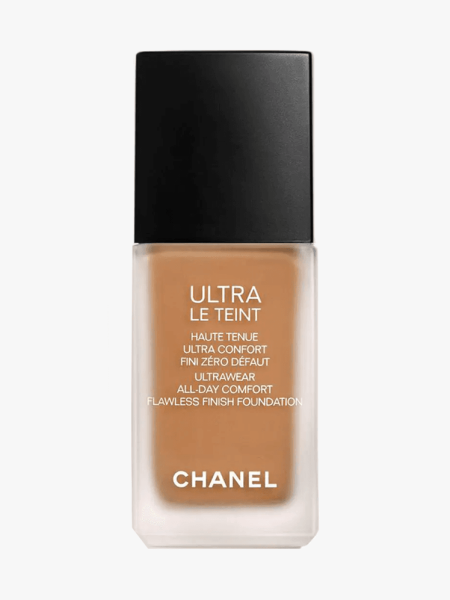
    Best Long-Wearing: Chanel Ultra Le Teint

    Chanel Ultra Le Teint in branded component on a light gray backgroundSave to wishlistSave to wishlist

    Chanel

    Ultra Le Teint

    $69

    Chanel

    $69

    Nordstrom

    $69

    Ulta Beauty

    Allure contributing commerce editor Deanna Pai applying Chanel Ultra Le Teint

    Deanna Pai

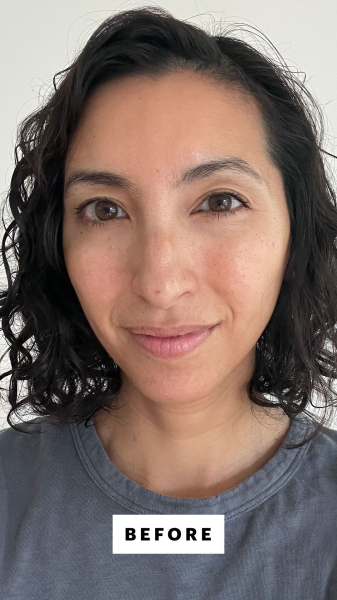
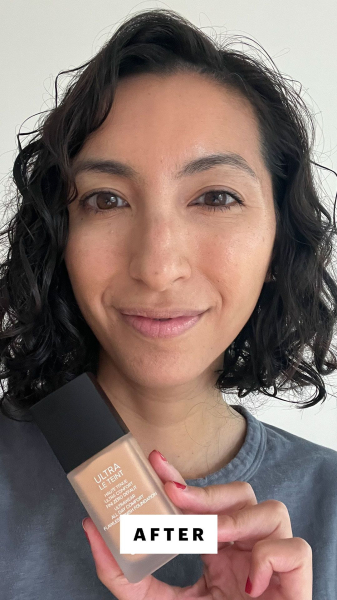
    Why we love it: Arguably, the best compliment you can get while wearing foundation is, “Your skin looks amazing.” If that’s the goal, Chanel’s Ultra Le Teint nails it: It melts into your complexion like a second skin, blurring pores, uneven texture, and dark spots without ever looking like you’ve piled on makeup. It uses soft-focus powders for a smooth, subtly brightened effect, while glycerin keeps the complexion hydrated and comfortable throughout the day. The foundation also has some serious staying power that withstands sweat, heat, humidity, and transfer (up to 24 hours, according to the brand). Meanwhile, silicones give the formula plenty of slip for a skin-like feel.

    Deanna Pai before applying Chanel Ultra Le Teint Ultrawear Foundation

    Pai before applying Chanel Ultra Le Teint

    Deanna PaiDeanna Pai after applying Chanel Ultra Le Teint Ultrawear Foundation

    Pai after applying Chanel Ultra Le Teint

    Deanna Pai

    Tester feedback from contributing commerce editor Deanna Pai

    AccordionItemContainerButtonLargeChevron

    ”Most foundations can’t handle the slip ‘n slide that is my face: I have naturally large pores and breakout-prone skin, so it gets oily quickly. Even though I usually go for lighter coverage, certain circumstances—evenings out, humid days, and stubborn breakouts—require more heavy-duty, longwear formulas. And this one delivered. It leaves my skin with dimension and a hint of dewiness, but the coverage is enough to tackle my acne without needing extra concealer. I didn’t even need to touch it up during the day.” —Deanna Pai, contributing commerce editor

    More to know

    AccordionItemContainerButtonLargeChevron

    • Key ingredients: glycerin, silicone
    • Shades: 35
    • Finish: natural
    • Coverage: medium/buildable

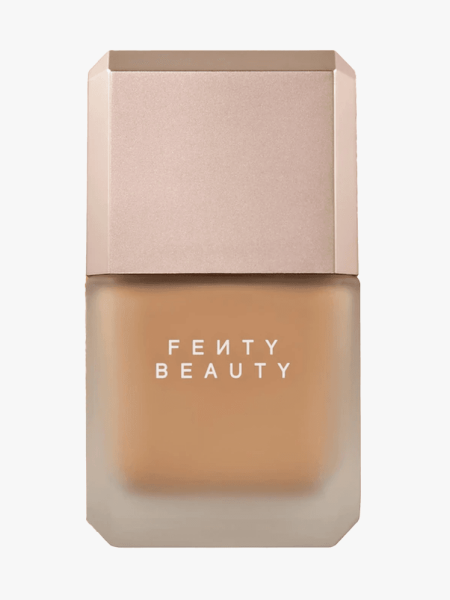
    Best for Combination Skin: Fenty Beauty Pro Filt'r Fluid Flex Foundation

    Fenty Beauty by Rihanna Pro Filt'r Fluid Flex Natural Matte Longwear Foundation in branded component on a light gray backgroundSave to wishlistSave to wishlist

    Fenty Beauty

    Pro Filt'r Fluid Flex Foundation

    $48

    Sephora

    $48

    Ulta Beauty

    Allure commerce editor Sarah Han applying the Fenty Beauty Pro Filt’r Fluid Flex

    Sarah Han

    Why we love it: If you thought Fenty Beauty’s original Pro Filt’r Soft Matte Longwear Foundation was a little too matte, consider the new Pro Filt’r Fluid Flex Natural Matte Longwear Foundation its more forgiving successor. Its medium, buildable coverage and natural-matte finish help temper shine through the T-zone without making drier areas look flat or over-powdered—exactly the balancing act combination skin demands. Silica lends oil-absorbing and smoothing benefits, while lightweight emollients give the formula enough slip to glide over less-oily patches. As the name suggests, it flexes with your skin instead of creasing or settling, and the waterproof formula resists sweat, humidity, transfer, and oxidation. Starfruit extract provides even more oil and shine control, making this a happy medium for combination or oily skin.

    A selfie of Allure commerce editor Sarah Han before applying the Fenty Beauty Pro Filt'r Fluid Flex Foundation

    Han before applying the Fenty Beauty Pro Filt’r Fluid Flex Foundation

    Sarah HanA selfie of Allure commerce editor Sarah Han after applying the Fenty Beauty Pro Filt'r Fluid Flex Foundation

    Han after applying the Fenty Beauty Pro Filt’r Fluid Flex Foundation

    Sarah Han

    Tester feedback from commerce editor Sarah Han

    AccordionItemContainerButtonLargeChevron

    “I felt pretty neutral about the original Pro Filt'r, mostly because I couldn't find a perfect shade match—most leaned too warm, but thankfully, Fenty heard us loud and clear and completely revamped its already game-changing shade range. 166N is a much better fit for me, but that's not all I love about this formulation. I rarely find that a full-coverage foundation—let alone matte—is easily spreadable by fingers but this one has a beautiful fluid texture (true to its name) that works well with fingers. I'll take a tiny pump of product and smooth it all over my face before using the Fluid Flex Foundation Brush to soften/buff out any lines. The finish isn't too matte and definitely not flat, which is perfect for my combination skin. I tested this during a wedding weekend in the south of France during a heatwave, and this stuff didn't budge. Consider me impressed.” —Sarah Han, commerce editor

    More to know

    AccordionItemContainerButtonLargeChevron

    • Key ingredients: starfruit extract, silica
    • Shades: 50
    • Finish: matte
    • Coverage: full

    Best Full Coverage: Tarte Face Tape Foundation

    Image may contain: Cosmetics, Lipstick, Bottle, Perfume, Lotion, and ShakerSave to wishlistSave to wishlist

    Tarte

    Face Tape Foundation

    $42

    Amazon

    $42

    Ulta Beauty

    Allure beauty director Sarah Kinonen applying the Tarte Face Tape Full Coverage Foundation

    Sarah Kinonen

    Why we love it: The Readers’ Choice Award-winning Tarte Shape Tape Concealer set the stage for the brand’s Face Tape Foundation, a full-coverage, matte, and waterproof formula that brings the same high-performance approach to your entire complexion. And while “matte” and “waterproof” don’t exactly imply hydration, this formula manages to deliver on that front, too. Hyaluronic acid draws in moisture, while antioxidant-rich snow mushroom extract adds another dose of hydration, helping the foundation smooth the look of texture, minimize pores, and blur imperfections without looking flat, dry, or cakey. “Traditionally, long-wear makeup can look—or feel—heavy or cakey,” Los Angeles-based makeup artist Gregory Arlt previously told Allure. “This modern formula gives the coverage and long-wear that one would need without looking or feeling like you have a mask on.” It’s a must-have in hot or humid climates, or in the middle of summer.

    Allure Beauty Director Sarah Kinonen before applying the Tarte Face Tape Full Coverage Foundation

    Kinonen before applying the Tarte Face Tape Full Coverage Foundation

    Sarah KinonenAllure Beauty Director Sarah Kinonen before applying the Tarte Face Tape Full Coverage Foundation

    Kinonen after applying the Tarte Face Tape Full Coverage Foundation

    Sarah Kinonen

    Tester feedback from beauty director Sarah Kinonen

    AccordionItemContainerButtonLargeChevron

    "As you can see from the decrepit bottle, this foundation and I go way back. I've been wearing the long-lasting, full-coverage foundation for years because of its transfer-proof, wear-anywhere-anytime formula. It evens out underlying redness and doesn't disrupt my oily complexion. It's truly the best!" —Sarah Kinonen, beauty director

    More to know

    AccordionItemContainerButtonLargeChevron

    • Key ingredients: hyaluronic acid, snow mushroom extract
    • Shades: 50
    • Finish: matte
    • Coverage: full

    Best Lightweight: Armani Beauty Luminous Silk Foundation

    Armani Beauty Luminous Silk Perfect Glow Flawless Foundation in branded component on a light gray backgroundSave to wishlistSave to wishlist

    Armani Beauty

    Luminous Silk Foundation

    $69

    Nordstrom

    $69

    Sephora

    Why we love it: When we first caught wind that Armani Beauty’s Luminous Silk Foundation was reformulated, panic ensued. After all, Allure editors have sworn by the complexion classic since 2002. But fear not: The new formula keeps everything we loved about the original and gives us a few, very welcome upgrades. The famously weightless formula now comes in 44 shades and adds skin-care ingredients such as hydrating glycerin and oil-regulating niacinamide. Oil-absorbing aluminum starch, silica, and kaolin also make that signature radiance less intimidating for oily skin. “It’s my all-time favorite complexion product—and proof that you can absolutely use luminous foundation on oily skin,” says Ventre. “It gives beautiful blendability and dimension while still allowing the finished complexion to look like skin.”

    Sarah Han before applying Armani Beauty Luminous Silk Foundation

    Allure commerce editor Sarah Han before applying Armani Beauty Luminous Silk Foundation

    Sarah HanSarah Han after applying Armani Beauty Luminous Silk Foundation

    Han after applying Armani Beauty Luminous Silk Foundation

    Sarah Han

    Tester feedback from commerce editor Sarah Han

    AccordionItemContainerButtonLargeChevron

    “I usually reach for skin tints, but the consistency of Luminous Silk reminds me of one of my go-tos in the best way! Super spreadable, easy to blend, and just enough coverage to hide dark spots and redness. I started off with one pump for a sheer, all-over layer because I wanted to see how easily buildable it was. It's definitely on the lighter side, but I went back in with a sponge to layer coverage on discoloration-prone areas. It's definitely not matte by any means, but it does blur out my oily sections, especially around my nose/cheeks—which just makes me look more ‘polished’ all around, without looking like I have makeup caked on.

    Bonus: I found my shade—4, a ‘light golden neutral’—on the first try, which rarely happens. I'm really glad the color you see in the bottle is an accurate representation of what it'll look like swatched on your hand or face. I also appreciate that this shade has a neutral undertone, since golden shades typically lean too warm for me.” —Sarah Han, commerce editor

    Tester feedback from Pai

    AccordionItemContainerButtonLargeChevron

    ”When I was in college, I used to go to the department store and beg for samples of this in tiny pots—it was one of the few foundations for which I had a color match. The updated formula is just as good as the original, in my opinion; I was able to find an even closer match to my skin tone. The coverage is a little lighter than the original, but I actually preferred that, and it lasts even through hot, humid summer days. Bottom line: It makes my skin look more radiant, but in a way that looks natural—not spackled.” —Deanna Pai, contributing commerce editor

    More to know

    AccordionItemContainerButtonLargeChevron

    • Key ingredients: glycerin, niacinamide, aluminum starch, silica, kaolin
    • Shades: 32
    • Finish: luminous
    • Coverage: medium/buildable

    More foundations for oily skin we love

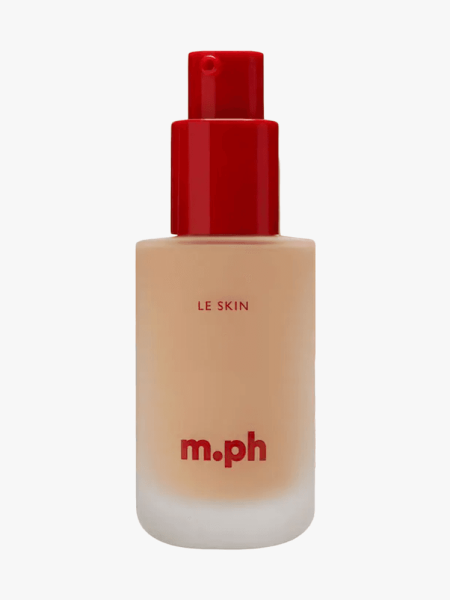
    Best for Sensitive Skin: m.ph Le Skin Weightless Serum Foundation

    m.ph Le Skin Weightless Serum Foundation in branded component on a light gray backgroundSave to wishlistSave to wishlist

    m.ph by Mary Phillips

    Le Skin Weightless Serum Foundation

    $49

    Sephora

    Why we love it: “Skin-like” foundation can be a bit of a gamble: Sometimes it's so sheer you wonder why you bothered, and other times “glowy” is just “greasy” in disguise. But if anyone can nail the your-skin-but-better assignment, it’s makeup artist Mary Phillips (whose clients include Kendall Jenner and Hailey Bieber. Her m.ph Le Skin Weightless Serum Foundation has the silky slip of a serum, melting seamlessly into skin with true medium coverage.

    The balancing act is thanks to lightweight silicones that give the fluid formula its silky spread, while 2% niacinamide evens tone and texture (and can regulate sebum), making the luminous finish less intimidating for oilier complexions. Meanwhile, glycerin, sodium hyaluronate, and panthenol bring in hydration without turning the formula into a rich moisture bomb. The payoff is the kind of glow Phillips is known for: fresh and dimensional, with enough coverage to even things out without making it obvious where your skin ends and your foundation begins.

    More to know

    AccordionItemContainerButtonLargeChevron

    • Key ingredients: 2% niacinamide, glycerin, sodium hyaluronate, panthenol
    • Shades: 35
    • Finish: glowy
    • Coverage: medium

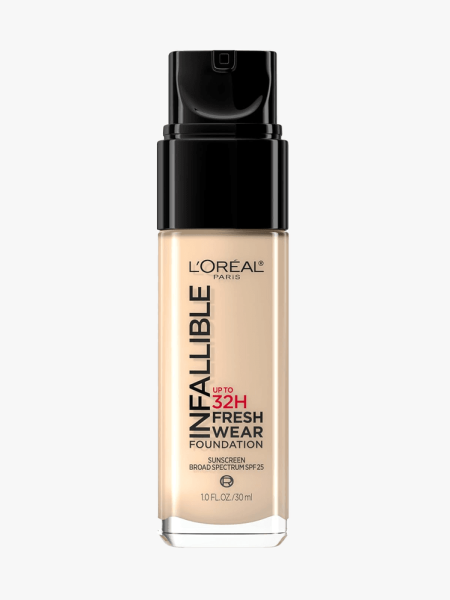
    Best Drugstore: L’Oréal Paris Infallible Fresh Wear Foundation

    L’Oréal Paris Infallible Fresh Wear Foundation in branded component on a light gray backgroundSave to wishlistSave to wishlist

    L’Oréal Paris

    Infallible Fresh Wear Foundation

    $19 $15 (21% off)

    Amazon

    $19

    Ulta Beauty

    Why it’s worth it: If you’re looking for an affordable drugstore formula that performs like a luxury foundation, it doesn’t get much better than the L’Oréal Paris Infallible Fresh Wear Foundation, according to McCormick. The ultra-thin liquid offers buildable medium-to-full coverage “without feeling like a mask,” she says, while perlite and silica absorb excess oil and keep shine in check, and film-forming polymers lock pigment in place so your base is less likely to slide around. Despite its 32-hour staying power, “it feels surprisingly lightweight and breathable,” McCormick adds. There are skin-care perks, too: vitamin C helps brighten, vitamin E provides antioxidant protection against environmental stressors, and SPF 25 adds an extra layer of sun protection on top of your usual sunscreen.

    More to know

    AccordionItemContainerButtonLargeChevron

    • Key ingredients: 6.7% octinoxate, 3.6% titanium dioxide, silica, polymers, vitamin E, vitamin C
    • Shades: 37
    • Finish: natural
    • Coverage: medium/buildable

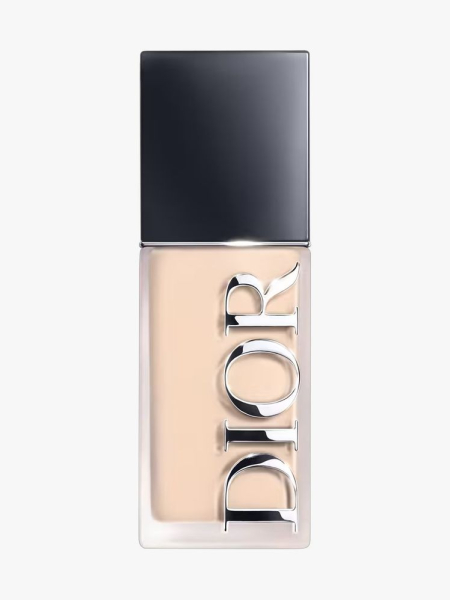
    Best for Large Pores: Dior Forever Skin Wear Foundation

    Dior Forever Skin Wear Blurring Natural Matte Foundation in branded component on a light gray backgroundSave to wishlistSave to wishlist

    Dior

    Forever Skin Wear Foundation

    $60

    Nordstrom

    $60

    Ulta Beauty

    $60

    Sephora

    Why it’s worth it: The trouble with many matte foundations is that they can take away some of skin’s natural dimension, a.k.a. the subtle shifts in light and texture that keep your complexion from looking flat. Dior’s Forever Skin Wear Foundation manages excess shine without zapping that life from your skin. The soft-matte formula uses silicone-based powders to absorb excess oil and scatter light, giving enlarged pores and uneven texture a smoother, blurred appearance. There’s skin care in the mix, too: Niacinamide supports the skin barrier and balances excess oil, while hyaluronic acid draws in hydration to keep the finish looking natural. “It’s my go-to when I want longevity with a polished finish that still allows the complexion to have dimension,” says Ventre.

    More to know

    AccordionItemContainerButtonLargeChevron

    • Key ingredients: silicones, niacinamide, hyaluronic acid
    • Shades: 42
    • Finish: matte
    • Coverage: medium/buildable

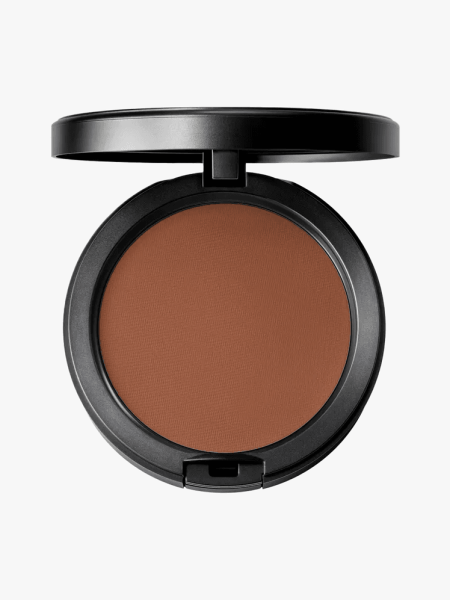
    Best Mattifying: MAC Studio Fix Powder Plus Foundation

    MAC Studio Fix Powder Plus Foundation in branded component on a light gray backgroundSave to wishlistSave to wishlist

    MAC

    Studio Fix Powder Plus Foundation

    $39

    Nordstrom

    $39

    Ulta Beauty

    $39

    Sephora

    Why it's worth it: Of course, we’d expect nothing less from MAC than the foundation with the biggest shade range on this list: Studio Fix Powder Plus Foundation comes in an impressive 78 options. But finding your perfect match is only part of the appeal. The silky, talc-free powder delivers customizable medium-to-full coverage with a blur-matte finish, while aluminum starch, silica, kaolin, and illite clay absorb excess oil and tamp down excess shine. Boron nitride and silicones give the powder a smooth, glide-y feel and softly blur pores and uneven texture. There are also rose and algae extracts, which offer antioxidant and conditioning benefits, while milk thistle seed oil, bisabolol, and vitamin E keep skin feeling soft and comfortable. “It delivers such nice oil control and smooths the complexion beautifully, plus the compact is incredibly convenient for touch-ups throughout the day,” says McCormick.

    More to know

    AccordionItemContainerButtonLargeChevron

    • Key ingredients: aluminum starch, silica, kaolin, illite clay, boron nitride, silicones
    • Shades: 78
    • Finish: matte
    • Coverage: medium/buildable

    Frequently Asked Questions

    What is the best foundation for oily skin?

    Contrary to what you might think, having oily skin doesn’t mean you’re sentenced to matte makeup forever. “I don’t believe oily skin automatically dictates one specific type of foundation,” says Ventre, who generally considers natural-matte, soft-matte, and satin finishes forgiving starting points. Instead, she recommends looking for formulas with good adhesion and longevity that retain enough flexibility to keep skin from appearing flat or rigid. The coverage level matters, too, as a highly pigmented foundation can provide ample coverage with a very thin layer, rather than requiring multiple coats that may be more prone to separating as oil comes through.

    Just as important is what’s underneath your foundation. Oily skin can also be dehydrated, and aggressively cleansing, skipping moisturizer, or piling on mattifying products can leave you with surface oil and tight, textured skin. Ventre’s rule of thumb: “Prep for the skin condition and choose the foundation for the finish.” In other words, properly hydrate and support your skin barrier first, strategically control oil where you need it, then choose the foundation finish you actually like.

    How can I make foundation last longer on oily skin?

    Making foundation last longer on oily skin starts well before you break out the foundation bottle. “Skin prep is probably one of the most underestimated parts of long-wearing makeup,” says Ventre. Rather than piling on skin care, she recommends using just enough hydration for your complexion and allowing products to fully absorb—“excess slip or emollience can create an unstable base that causes foundation to move around,” she says. From there, target oil control where you actually need it—such as the forehead, nose, and between the brows—instead of mattifying your entire face. Ventre applies foundation in “the thinnest effective layers,” building coverage only where necessary, then strategically sets oil-prone areas with finely milled powder and uses a long-wear setting spray to lock everything down.

    And when shine inevitably starts creeping through? “Blot before you powder,” says Ventre. “Adding fresh powder directly over accumulated sebum can eventually create heaviness and emphasize texture, so absorb excess oil first, then press the smallest amount of powder necessary onto the area,” she says. Ultimately, “longevity isn’t one miracle product”—it’s the combination of thoughtful skin prep, thin layers, targeted powder, and a great setting spray that keeps foundation intact without sacrificing a natural, dimensional finish, she says.

    Meet the experts

    • Gregory Arlt, a makeup artist based in Los Angeles
    • Alexandra McCormick, a makeup artist based in Los Angeles
    • Lauren D’Amelio Ventre, a makeup artist based in New Jersey

    How we test and review products

    Before reviewing any makeup, we ask questions about a number of factors: What ingredients are in it? Does the brand offer a wide shade range inclusive of consumers with all skin tones and undertones? Is it safe for readers who have sensitive skin or wear contact lenses? Is it on the affordable side or more of a splurge? Is its packaging consciously designed or needlessly wasteful?

    For our review of the best foundations for oily skin, we enlisted the help of multiple editors, writers, contributors, and makeup artists to review the products. This ensures our testing base spans different skin tones, genders, and dermatological conditions. We considered each product’s performance across four primary categories: ingredients, wear and longevity, packaging, and inclusivity. For more on what's involved in our reporting, check out our complete reviews process and methodology page.

    Our staff and testers

    A beauty product is a personal purchase. You might be searching for a face cream to address persistent dryness or a new nail product to add to your Sunday self-care routine; you may simply be browsing around for the latest launches to hit the hair market. No matter what you seek or your individual needs and concerns, Allure wants to ensure that you love anything we recommend in our stories. We believe that having a diverse team of writers and editors—in addition to the wide range of outside testers and industry experts we regularly call upon—is essential to reaching that goal.

    After all, can we really say a skin-care product is the "best" for people over 50 if the only testers we've solicited opinions from folks who have yet to hit 30? Can we honestly deem a high-end diffuser worthy of your hard-earned cash if it’s never been tested on curls? We're proud that our staff spans a wide range of ages, skin tones, hair textures, genders, and backgrounds, which means that we are able to fairly assess any beauty product that comes into the beauty closet.

  • 6 Best Products for Hair Breakage for Stronger, Healthier-Looking Strands

    6 Best Products for Hair Breakage for Stronger, Healthier-Looking Strands

    Image may contain Blonde Hair Person Adult Face and HeadBenjamin VnukSave StorySave this storySave StorySave this story

    The best products for hair breakage have one common goal: keeping vulnerable strands from reaching their breaking point. And there's a lot working against them. Bleach, color, hot tools, UV exposure, aggressive brushing, and even the standard cycle of washing and drying can gradually chip away at hair's strength. “Hair breakage is the physical failure of the hair fiber,” says Cincinnati-based cosmetic chemist Kelly Dobos. And in many cases, “breakage is the result of accumulated damage,” rather than one particularly rough blowout or salon appointment.

    A little hair anatomy helps explain what's happening. “The cuticle, which forms the protective outer layer, shields the cortex underneath, where most of the fiber's strength resides,” Dobos says. When that exterior layer wears down, the cortex becomes increasingly defenseless. At the same time, “hair fibers experience repeated cycles of stretching from combing, brushing, washing, and drying throughout their lifetime,” she adds. Eventually, small defects can build up until a strand can no longer withstand the stress—and, well, snap. Chemical processing and heat can further weaken the structural elements that give hair its strength.

    Our Top Products for Hair Breakage

    • Best Overall: K18 Molecular Repair Hair Oil, $65
    • Best for Chemical Damage: Olaplex No. 3 Plus Complete Repair Treatment, $34
    • Best for Mechanical Damage: Pantene Miracle Rescue Deep Conditioner, $14
    • Best for Mature Hair: Oribe Hair Alchemy Fortifying Treatment Serum, $66

    The good news: The right products can minimize damage while keeping stressed-out strands conditioned, flexible, and better equipped to handle everything you put them through. Some ingredients tackle that damage from the inside, while others focus on protecting the surface. Bond-builders, for their part, can restore “the integrity of the hair cortex,” says Los Angeles-based cosmetic chemist Amanda Lam, while “conditioning agents and oils work on the outer cuticle” to smooth and soften strands. In other words, preventing breakage isn't about relying on one miracle ingredient—it's about reinforcing weakened hair while minimizing the everyday friction and damage that can push it past its breaking point. Here’s what to add to your routine.

    Frequently Asked Questions

    • Does hair breakage mean I have broken bonds?
    • What’s the difference between bond builders, proteins, conditioners, and oils?
    • Which ingredients actually strengthen hair versus simply making it feel softer?
    • How should you treat breakage in curly or coily hair?
    • Meet the experts
    • How we test and review products
    • Our staff and testers

    Best Overall: K18 Molecular Repair Hair Oil
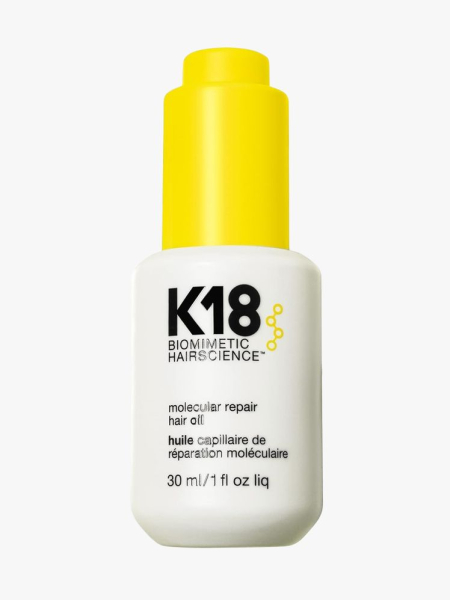
    K18 Molecular Repair Hair Oil in branded component on a light gray backgroundSave to wishlistSave to wishlist

    K18

    Molecular Repair Hair Oil

    $65

    Amazon

    $65

    Sephora

    Why it's worth it: K18's Molecular Repair Hair Oil takes the reparative technology made famous by the brand’s Best of Beauty Award-winning Leave-In Molecular Repair Hair Mask and bottles it into a styling product. At its core is the proprietary K18Peptide, a biomimetic peptide that mimics a sequence of amino acids found in hair keratin. Instead of simply coating roughed-up strands, it penetrates the hair fiber to reconnect polypeptide chains disrupted by bleach, color, chemical services, and heat—all of which can leave hair weaker and more prone to snapping. And speaking of heat, “it can withstand up to 450 degrees Fahrenheit,” says Lam, making it an especially handy line of defense against hot tool-induced breakage.

    While the peptide works within the hair, ingredients like squalane, avocado oil, and sunflower oil address issues from the outside, lubricating and smoothing the cuticle to tame frizzy hair, reduce friction and flyaways, and prevent dullness. In other words, it pairs the instant polish you want from a hair oil with technology that addresses some of the damage behind breakage in the first place.

    More to know

    AccordionItemContainerButtonLargeChevron

    • Key ingredients: K18Peptide, squalane, hemisqualane, avocado oil, sunflower oil
    • Fragrance-free: no

    Best for Chemical Damage: Olaplex No. 3 Plus Complete Repair Treatment
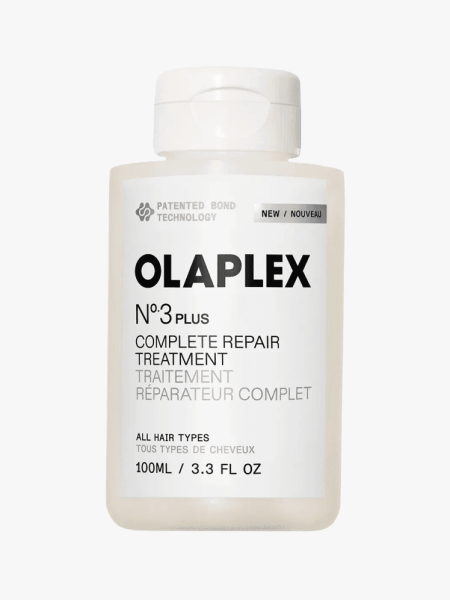
    Olaplex No. 3 Plus Complete Repair Treatment in branded component on a light gray backgroundSave to wishlistSave to wishlist

    Olaplex

    No. 3 Plus Complete Repair Treatment

    $34

    Amazon

    $34

    Nordstrom

    $34

    Dermstore

    Why it's worth it: For breakage caused by bleaching, coloring, or chemical straightening in particular, Dobos considers the Olaplex No. 3 Plus Complete Repair Treatment a standout. “I was introduced to Olaplex by my hairstylist shortly after the brand launched, and I've been a devotee of No. 3 ever since for my color-treated hair,” she says. That makes sense considering what repeated coloring can do to strands: Chemical processing can weaken the hair’s internal structure, leaving it more brittle and prone to breakage. Rather than relying solely on conditioning ingredients to make that damage feel less obvious, No. 3’s bond-building technology is designed to fortify compromised hair fibers—one reason Dobos says she was intrigued by Olaplex from a professional perspective.

    At the heart of the formula is Olaplex's signature bond-repair ingredient, bis-aminopropyl diglycol dimaleate. “The patented ingredient works by reconnecting broken disulfide bonds on a molecular level by essentially inserting a synthetic patch where a natural disulfide bond used to be,” says Sherry Backman, a cosmetic chemist based in Brattleboro, Vermont. Translation: It reinforces the hair's internal structure, making delicate strands stronger and less prone to snapping. The updated formula also gives the hair's surface some extra attention with Olaplex's cationic technology, which adheres to damaged areas of the hair cuticle to smooth and condition. “I've also been impressed by the updated formula, which works with less processing time, making it much easier to fit into my routine,” Dobos says. That means just three minutes versus the original's 10—a pretty compelling upgrade when your hair needs repair but your shower schedule doesn't have time for a whole production.

    Tester feedback from content director Sophia Panych

    AccordionItemContainerButtonLargeChevron

    “I'm one of those obnoxious people who wait to watch viral TV shows months, even years, after the buzz dies down. Sometimes all the hype has the opposite effect on me, which is exactly what happened with Olaplex. I'm a bit embarrassed to admit that, as a beauty editor for nearly two decades, I've never tried the brand's No.3—especially since my fine, fried, highlighted hair exhibits the exact kind of damage the formula claims to address. I tried No.3 Plus for the first time and was amazed at how silky it made my hair, both in the shower and while blow-drying.

    My hair is comically long right now. I'm in desperate need of a haircut, but I'm also cheap and have been putting off my next cut and color as long as possible. That means every blow-dry is a battle to get the mid-lengths smooth and snaggle-free. After using No. 3 Plus, I needed significantly less effort to blow-dry my hair (i.e., less ripping through it with my brush), and I didn't need to go over it with a flat iron to get the silky sheen I like (I really hope my hairstylist isn't reading this right now). It's hard to tell if my hair is stronger than before, as I think I need to use it regularly and over a couple of months to see those types of results.

    I will definitely be adding No.3 Plus to my hair-care routine from now on, on days I have a little more time to spend in the shower. For someone who is lazy with their hair and always late, the extra step, even though it's now only three minutes, may be hard to squeeze in during the work week. But over the weekend, though, sure thing.” —Sophya Panych, content director

    Tester feedback from senior staff writer Elizabeth Gullino

    AccordionItemContainerButtonLargeChevron

    “It’s probably hard to believe that I’ve never used Olaplex No.3 before, given that Allure previously called it the ‘crown jewel’ of the brand, but it’s true. While the original formula claims to ‘reverse damage,’ I wouldn’t say my hair is necessarily in need of intense repair. I don’t color it (and never have), and I use hot tools sparingly, normally opting to let my hair air-dry instead of firing up a blow-dryer. I used both the old and new No.3 the same way—I covered my damp-ish hair from root to tip, put it up in a claw clip while I exfoliated and shaved in the shower, and let my hair air-dry after letting it sit in my Crown Affair hair towel. They were each left on for about 10 minutes total. After using the original formula, my hair dried into a sad, straw-like texture. I didn’t feel that my hair was left looking healthier, and I was not impressed. I also was not excited about trying the reformulation if there was an opportunity for the same result. Thankfully, I was proven wrong. The new formula immediately made my hair feel much softer—this could be because I used more product the second time around. While I don’t think my hair felt stronger immediately, as the brand claims, I can see how using this more often could have a better effect. Consider me a new fan.” —Elizabeth Gullino, senior staff writer

    More to know

    AccordionItemContainerButtonLargeChevron

    • Key ingredients: bis-aminopropyl digylcol dimaleate, acrylamidopropyltrimonium chloride/acrylamide copolymer, glutamic acid, crambe abyssinica seed oil, avocado oil, and sunflower seed oil
    • Fragrance-free: no

    Best for Mechanical Damage: Pantene Miracle Rescue Deep Conditioner
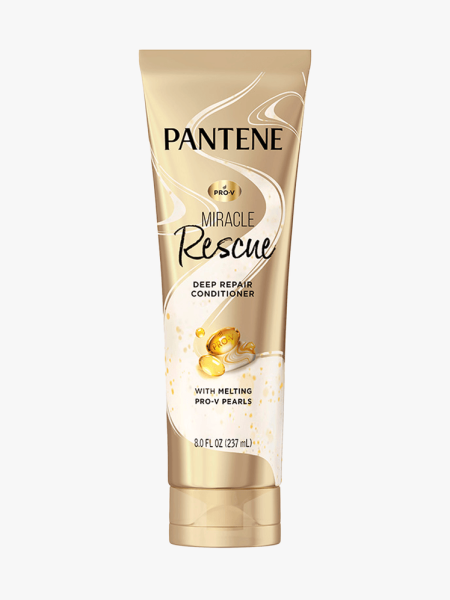
    Pantene Miracle Rescue Deep Conditioner in branded tube component on a light gray backgroundSave to wishlistSave to wishlist

    Pantene

    Miracle Rescue Deep Conditioner

    $14 $13 (7% off)

    Amazon

    Why it's worth it: Mechanical damage sounds technical, but chances are you're inflicting a little of it on your hair every day: aggressive brushing, yanking through tangles, rough towel-drying, and even the friction from styling can wear away at the cuticle and eventually contribute to breakage. Dobos likes Pantene’s Miracle Rescue Deep Conditioner for getting ahead of it. “Preventing damage is often just as important as repairing it,” she says, noting that the formula pairs “traditional and highly effective conditioning ingredients with a silicone that smooths the cuticle.” That silicone is bis-aminopropyl dimethicone, which latches onto damaged areas of the hair to smooth the cuticle and reduce friction—which is particularly helpful when you're brushing or detangling, when weakened strands are more likely to snap.

    Conditioning agents add slip, making knots easier to work through, while fatty alcohols soften and lubricate strands. Panthenol (a.k.a. pro-vitamin B5) helps hair retain moisture and improves its flexibility. Better yet: It works in just 60 seconds, making it an easy way to give your hair a little extra insurance against everyday tugging, pulling, and brushing.

    More to know

    AccordionItemContainerButtonLargeChevron

    • Key ingredients: bis-aminopropyl dimethicone, fatty alcohols, panthenol
    • Fragrance-free: no

    Best for UV Damage: JVN Complete Leave-In Conditioning Mist
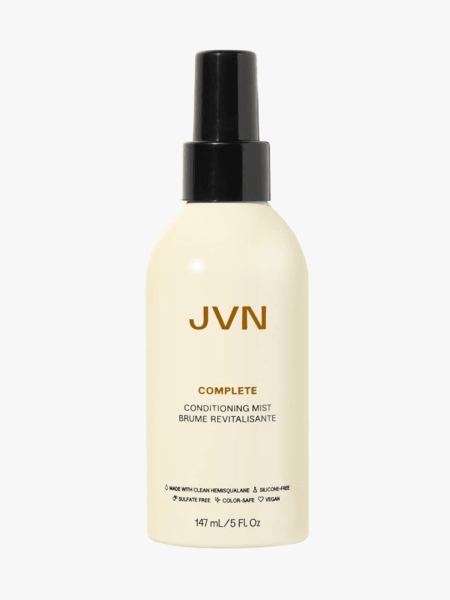
    JVN Complete Leave-In Conditioning Mist in branded component on a light gray backgroundSave to wishlistSave to wishlist

    JVN

    Complete Leave-In Conditioning Mist

    $24

    Amazon

    $24

    Nordstrom

    $24

    Ulta Beauty

    Why it's worth it: Sunscreen may have your skin covered, but your hair could use some UV backup, too. “Environmental damage is cumulative,” says Backman, who explains that UV exposure can oxidize hair pigments and contribute to deterioration of the fiber, while wind, low humidity, and everyday weather can ramp up dryness, roughness, and friction.

    JVN’s Complete Leave-In Conditioning Mist takes a multifaceted approach. One distinction is the formula’s black spruce (Picea mariana) bark extract, an antioxidant-rich ingredient “that absorbs UV radiation, prevents oxidation of hair pigments, and inhibits free radicals associated with discoloration,” she says. But UV protection is only part of the breakage-prevention equation. Squalane, panthenol, glycerin, sodium hyaluronate, tremella mushroom extract, and vitamin E add another layer of conditioning, moisture retention, and antioxidant support. “Once hair becomes dry and weathered, increased friction can make an already compromised fiber even easier to break,” Backman says.

    While the mist provides heat protection up to 450 degrees Fahrenheit, there is one important caveat: Backman says she hasn't found evidence that it reduces UV-induced breakage by a specific amount. For that reason, she considers it “a very good environmental-protecting and breakage-preventing leave-in conditioner, especially for dyed hair, rather than a treatment for severe existing structural damage.”

    More to know

    AccordionItemContainerButtonLargeChevron

    • Key ingredients: black spruce bark extract, squalane, panthenol, glycerin, sodium hyaluronate, tremella mushroom extract, vitamin E
    • Fragrance-free: no

    Best for Dry Hair: SheaMoisture Amla Oil Bond Repair Masque
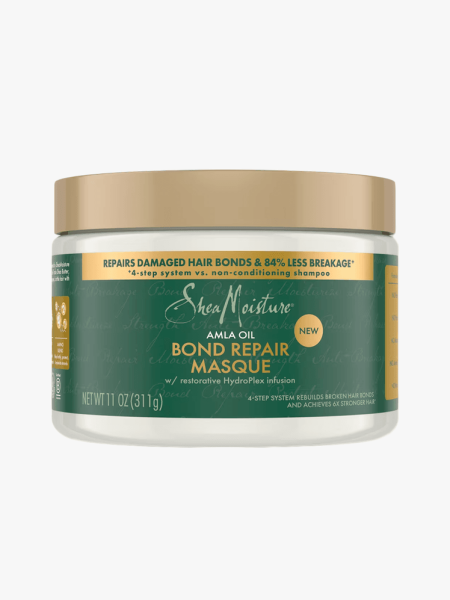
    SheaMoisture Amla Oil Bond Repair Masque in branded tub component on a light gray backgroundSave to wishlistSave to wishlist

    SheaMoisture

    Amla Oil Bond Repair Masque

    $20 $14 (30% off)

    Amazon

    $16

    Ulta Beauty

    Why it's worth it: When hair is dry and breaking, simply piling on moisture is only half the assignment. “Dryness and structural damage aren't quite the same problem,” says Backman. “Humectants and emollients can make hair more flexible and lubricated, but if the fiber itself has been compromised, I also want ingredients that can reinforce it.” SheaMoisture’s Amla Oil Bond Repair Masque checks both boxes.

    Its proprietary HydroPlex Infusion contains hydroxypropylgluconamide and hydroxypropylammonium gluconate, a duo that's more than just buzzy “bond-repair” marketing: Studies describe the combination as strengthening hair fibers, though exactly how it does so hasn't been fully established, Backman says. So, unlike Olaplex's proprietary molecule we wouldn't claim it specifically reconnects broken disulfide bonds—but there's legitimate fiber-strengthening science behind the formula. The hair mask also contains amino acids, including serine, arginine, histidine, and glutamic acid, to further support its damaged-hair credentials.

    As for dryness? SheaMoisture didn't exactly skimp. Shea butter, sunflower and coconut oils, glycerin, and amla (an antioxidant-rich fruit traditionally used in Ayurvedic hair oils) soften thirsty lengths and add plenty of slip, making tangles easier to work through—and minimizing the breakage-inducing friction that comes with them. “It addresses both sides of dry, damaged hair,” Backman says, pairing a rich conditioning system that restores “slip, softness, and flexibility” with strengthening ingredients aimed at the compromised fiber. The richness is also one of its potential drawbacks: “Someone with very fine or easily weighed-down hair may find it too heavy,” she says. And keep your expectations grounded—even a justifiably strengthening formula can't turn back the clock completely. As Backman puts it, no bond-repair product can return severely damaged hair to a truly virgin state.

    More to know

    AccordionItemContainerButtonLargeChevron

    • Key ingredients: HydroPlex (hydroxypropylgluconamide, hydroxypropylammonium gluconate), serine, arginine, histidine, glutamic acid, shea butter, coconut and sunflower oils, glycerin, amla
    • Fragrance-free: no

    Best for Mature Hair: Oribe Hair Alchemy Fortifying Treatment Serum
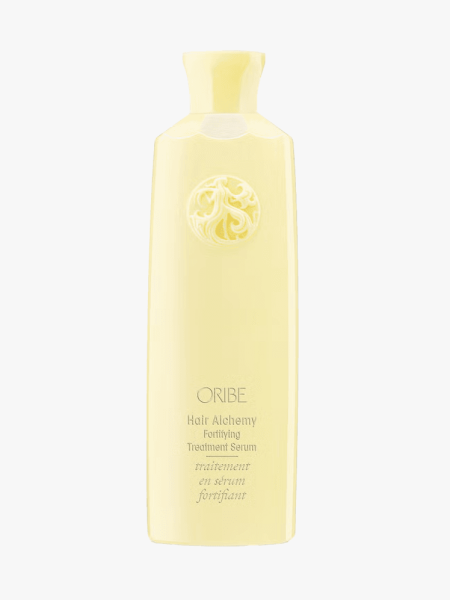
    Oribe Hair Alchemy Fortifying Treatment Serum in branded component on a light gray backgroundSave to wishlistSave to wishlist

    Oribe

    Hair Alchemy Fortifying Treatment Serum

    $66

    Amazon

    $66

    Nordstrom

    $66

    Dermstore

    Why it's worth it: As hair matures, individual strands can become finer, drier, and more fragile, so everyday brushing, blow-drying, and styling can take a greater toll than they used to. “A serum like Oribe’s Hair Alchemy Fortifying Treatment Serum can shield and preserve aging hair,” says Backman. The lightweight leave-in reinforces aging strands without the weight of a heavy mask: Hydrolyzed rice and vegetable proteins strengthen the hair fiber, ceramides support the hair's protective lipid barrier, and dimethicone and conditioning polymers lubricate the cuticle to reduce friction (which can cause vulnerable strands to snap during brushing and styling). Panthenol, sodium PCA, and multiple forms of hyaluronic acid keep strands hydrated and flexible, while chia seed and fermented bamboo leaf get to work deeper within the hair, helping form a “scaffold” around each strand.

    Backman also likes that the serum provides heat protection up to 450 degrees Fahrenheit, since “preventing additional damage is particularly important when the individual fibers are already becoming more vulnerable.” The numbers are impressive, but there's some fine print worth flagging: Oribe reports three times less breakage after one use when the serum is paired with its Strengthening Masque, while the claims of 133% stronger hair and 2.9 times more elasticity come from using the Shampoo, Conditioner, and Serum together for five washes. In other words, “the strongest numerical results aren't from the serum used entirely by itself,” says Backman. Though getting those headline-worthy results requires committing to multiple products, which can make this a pretty pricey routine to maintain, fans of Oribe's luxe formulas and signature scent may still find the strengthening results make the splurge worth it.

    And one last distinction is worth making, particularly for mature hair. “With aging hair, I think it's especially important to distinguish hair loss from hair breakage,” Backman says. “A cosmetic serum that isn't acting like a drug can't reverse follicular miniaturization or treat an underlying cause of thinning, but it can help hold on to the lengths you have.”

    More to know

    AccordionItemContainerButtonLargeChevron

    • Key ingredients: hydrolyzed rice, vegetable protein, ceramides, dimethicone, conditioning polymers, panthenol, sodium PCA, hyaluronic acid, chia seed, fermented bamboo leaf, and plant protein
    • Fragrance-free:

    Frequently Asked Questions

    Does hair breakage mean I have broken bonds?

    Hair breakage doesn't automatically mean you have “broken bonds,” at least not in the way the term is commonly used in hair-care marketing. “You can define hair breakage as the result of the hair fiber becoming weaker than the forces being placed on it,” says Backman. That weakening can come from chemical treatments, repeated heat styling, UV exposure, brushing, tight hairstyles, rough towel-drying, certain health conditions, or simply the cumulative weathering that hair experiences over time.

    Hair itself is a complex structure: Keratin proteins are organized by strong disulfide bonds as well as weaker hydrogen bonds, ionic interactions, and other forces. While damage can involve disruption of these bonds, Backman says it can also involve “loss of cuticle, protein erosion, lipid loss, increased porosity, and the development of tiny cracks and defects in the fiber.” In other words, a strand can eventually snap simply because its protective cuticle has gradually worn away and left the cortex underneath more vulnerable.

    What’s the difference between bond builders, proteins, conditioners, and oils?

    Bond-building ingredients work within the hair fiber, reinforcing damaged areas or improving how strands handle stress when they're bent, stretched, or brushed. “The key distinction is that these technologies work within the hair fiber rather than simply coating the surface,” says Dobos. Proteins and peptides can strengthen damaged hair, too, by depositing onto the cuticle or interacting with compromised areas to fill microscopic defects and improve resistance to breakage. The categories aren't always clear-cut, though: “Some newer peptide technologies blur the line between proteins and bond builders,” Dobos says, and not every protein qualifies as a true bond-building system.

    Conditioners and oils generally do more of their heavy lifting at the surface, smoothing the cuticle, adding lubrication, and reducing friction. That might sound less hi-tech, but don't underestimate a deep-conditioning treatment: “Hair breakage often occurs when fibers snag and experience excessive mechanical stress during brushing, combing, and styling,” Dobos says. By adding slip and making tangles easier to work through, conditioning agents, silicones, and oils can prevent strands from snapping without changing their internal structure. Ultimately, there isn't a single “best” category—the most effective formulas often combine strategies to support the fiber while protecting its surface from everyday wear and tear that can lead to breakage.

    Which ingredients actually strengthen hair versus simply making it feel softer?

    “There is an important distinction between making damaged hair stronger and making damaged hair feel better,” says Backman. Bond-building technologies, certain hydrolyzed proteins and peptides, and some polymeric treatments can actually improve a strand's resistance to breakage or reinforce damaged areas of the hair fiber. These are the ingredients to look toward when you're talking about strengthening rather than simply achieving softer, smoother-feeling hair.

    That doesn't make conditioning ingredients any less important for preventing breakage, though. Silicones and conditioners such as amodimethicone, dimethicone, behentrimonium methosulfate, and cetrimonium chloride can “dramatically reduce fiber-to-fiber friction and combing force,” Backman says. Translation: If your brush glides through with less resistance, you're putting less stress on already-fragile strands. Silicones—and some silicone alternatives like squalane—can also form a super-thin lubricating film that reduces friction and protects hair during brushing and heat styling. “This is a legitimate damage-prevention mechanism,” Backman says, even if it isn't repairing bonds.

    How should you treat breakage in curly or coily hair?

    Curly and coily hair may require a little extra care to prevent breakage. “Every bend in the fiber creates another potential stress point,” says Backman, noting that tightly coiled hair can be especially susceptible to mechanical damage. Natural scalp oils also have a harder time traveling down a curved strand, which can leave lengths and ends drier and more prone to snapping. For curls and coils, Backman recommends putting extra emphasis on lubrication, conditioning, and gentle detangling, looking for fatty alcohols, conditioners, silicones or silicone alternatives, slip-enhancing polymers, and, depending on your hair's density and texture, oils and butters. And don't underestimate the power of slip: Shrinkage and tangling can make aggressive detangling particularly damaging, so “an effectively formulated detangler or conditioner may prevent more breakage in this situation than a bond-repair treatment used as a standalone,” she says.

    Meet the experts

    • Sherry Backman, a cosmetic chemist based in Brattleboro, Vermont
    • Kelly Dobos, a cosmetic chemist based in Cincinnati
    • Amanda Lam, a cosmetic chemist at Azelis based in Los Angeles

    How we test and review products

    We always enlist a range of testers for our makeup vertical, but hair-care products and tools are another story. While there are certainly products that can be used across different hair textures, lengths, curl patterns, thicknesses, colors (natural and unnatural), and needs, hair products are often created with specific consumers in mind. Many are created in order to address a concern (dandruff, breakage, brittleness) or to work most effectively for a specific hair type (4C curls, wavy hair, gray hair). You wouldn't want to pick up a purple shampoo that's only been reviewed by someone with, say, auburn hair, or a diffuser that's never been tested by anyone with curls—right?

    For our review of the best products for hair breakage, we enlisted the help of multiple editors, writers, contributors, dermatologists, and hairstylists—all of whom want a deep cleanse without drying out their hair. Testers considered performance across four primary categories: efficacy, texture and experience, fragrance, and packaging. For more on what's involved in our reporting, check out our complete reviews process and methodology page.

    Our staff and testers

    A beauty product is a personal purchase. You might be searching for a face cream to address persistent dryness or a new nail product to add to your Sunday self-care routine; you may simply be browsing around for the latest launches to hit the hair market. No matter what you seek or your individual needs and concerns, Allure wants to ensure that you love anything we recommend in our stories. We believe that having a diverse team of writers and editors—in addition to the wide range of outside testers and industry experts we regularly call upon—is essential to reaching that goal.

    After all, can we really say a skin-care product is the "best" for people over 50 if the only testers we've solicited opinions from folks who have yet to hit 30? Can we honestly deem a high-end diffuser worthy of your hard-earned cash if it's never been tested on curls? We're proud that our staff spans a wide range of ages, skin tones, hair textures, genders, and backgrounds, which means that we are able to fairly assess any beauty product that comes into the beauty closet.


  • Olivia Munn on Breastfeeding, Postpartum Anxiety, and Choosing Surgical Menopause

    Olivia Munn on Breastfeeding, Postpartum Anxiety, and Choosing Surgical Menopause

    Olivia MunnJames EmmermanSave StorySave this storySave StorySave this story

    The inaugural season of Allure Perspectives will explore one of the most controversial and medically researched parts of a woman’s body: breasts. Through expert interviews, personal stories, and historical context, the podcast series, hosted by editor in chief Jessica Cruel, will examine how breasts intersect with beauty, health, identity, sexuality, and culture. In our first episode, Cruel talks with actress Olivia Munn about her experience with breast cancer. Subscribe wherever you get your podcasts for new episodes every week.

    At age 41, Olivia Munn gave birth to her son Malcolm. Less than a year and a half later, in April 2023, she learned she had postpartum breast cancer, which refers to breast cancer diagnosed within five to 10 years after giving birth.

    Since then, Munn has been open about her health journey on social media. “When I was diagnosed with breast cancer, whenever I felt lost or unsure, I would search online for women who had gone through [it],” she shared with Allure editor in chief Jessica Cruel on the first episode of the Perspectives podcast. “I was looking for hope [and] guidance through their stories.” Now she’s on the other side of a treatment plan that involved five surgeries, including ones that put her into menopause.

    Munn says that being postpartum, becoming a mother, and having breast cancer are the three most significant moments in her life. In the premiere episode of the podcast, she opens up about some of the hardest parts of each.

    On having postpartum anxiety

    After her son was born, Munn struggled with postpartum anxiety, especially financial anxiety since she hadn’t been able to work as an actor for months leading up to and after giving birth. “I was ready for depression,” she says. “I had heard about that all over the place for years.” But it wasn’t until she was a few months postpartum that she learned there was a name for extreme anxious feelings she was having. “The floor went out from under me,” Munn says. “I was just falling and falling and falling.”

    On breastfeeding expectations vs. reality

    Munn recounts seeing photos of women breastfeeding online: tired and perhaps wearing adult diapers but ultimately “they still look amazing.” While Malcolm latched right away, Munn says she had a really hard time producing milk despite seeing lactation consultants, hydrating, meditating, and doing everything else that is supposed to help. She was also surrounded by people who insisted that “breast is best,” so Munn continued to try to breastfeed—until she realized her son just wasn’t eating enough. “We got him onto formula,” she says. “He thrived after that.”

    On her unexpected breast cancer diagnosis

    Munn says she’s been so open about her breast cancer journey because she had been going through life assuming she wasn’t at risk for the disease. “I was doing all the right things,” she says. “And yet I had an aggressive form of cancer.” Munn’s annual mammogram showed no signs of disease, and she also had a clear ultrasound a month before she was ultimately diagnosed with multifocal, multiquadrant, bilateral luminal B, ER+/PR+/HER2- breast cancer via MRI.

    Her ob-gyn, Thaïs Aliabadi, MD, had ordered the additional imaging—despite the previous tests being clear—after Munn scored a 37.3% on the Tyrer-Cuzick risk model, which is an assessment tool used to estimate lifestyle breast cancer risk. She’s now working with Senator Mark Kelly of Arizona on a bill “so that we can hopefully get every doctor in our country to make it part of their standard of care,” Munn says.

    On choosing surgical menopause

    In addition to a double mastectomy, Munn opted for an oophorectomy to remove her ovaries, plus had her fallopian tubes and uterus removed as well. She had already frozen some of her eggs at age 33 and again at 39 and wasn’t reacting well to the medication she was on that created temporary medical menopause to suppress her hormones during cancer treatment. Munn says that there is often pressure to “preserve fertility” when women are making these decisions, but she also knew it would be too high risk for her to carry another pregnancy (she and her husband, John Mulaney, had a second child via surrogacy in 2024). Ultimately, Munn felt that choosing a surgery that would get her off the medication that was making her so tired she couldn’t get out of bed was the right decision.

    On her “small and chic” breasts after reconstructive surgery

    Munn says she contemplated not getting any reconstruction after her double mastectomy, but Dr. Aliabadi advised she reconsider. “Dr. Alibadi said, ‘Look, you’re about to go through a lot. Your body’s going to change,’” Munn recalls. “‘If you want to just take the implants out, you can do that later. But I would suggest not shocking every part of your identity.’”

    A reconstruction is different from an augmentation. For one thing, Munn had to get circular implants—since all the tissue needed to be removed to reduce her chance of the cancer recurring—that are often less natural-looking than the teardrop ones typically used for augmentation when breast tissue remains that can hold the asymmetrical implants in place.

    “When they rolled me into surgery, the last thing I said was ‘small and chic, please,’” Munn says, noting that she’s very happy with the final results.

    In 2024, she decided in the moment to show her mastectomy scars in a campaign for Skims. “I don’t like some of these things [about my body], but I don’t feel insecure,” Munn says. She is happy to share every detail of her story if it helps other women. “When I get asked about any part of my health journey, it feels like I have a purpose,” she says.

    Listen to the episode:

    To hear the rest of the conversation—including how Munn now answers the all-too-common question, “Do you feel like your body betrayed you?”—listen to the full episode below. (Available on Apple Podcasts, Spotify, or wherever you listen to podcasts.)

  • What Dermatologists Want Black Patients to Know About Follicular Eczema

    What Dermatologists Want Black Patients to Know About Follicular Eczema

    Image may contain Person Skin Body Part Finger Hand Baby Clothing Footwear and ShoeSave StorySave this storySave StorySave this story

    We tend to think of hair and skin as two separate concerns. But the place they meet, at the hair follicle, is precisely where a common and often overlooked type of eczema can show up.

    Follicular eczema is a subtype of atopic dermatitis, the most common type of eczema. It forms around individual hair follicles on the body and scalp and occurs more frequently in darker skin tones. Though it is often waved off as goosebumps or just dry skin, dermatologists say the bumpy texture is a documented condition that’s treatable once it’s correctly identified.

    “Many of my patients have spent months or even years trying different drugstore products like scrubs and shampoos without knowing there was a diagnosable condition that explains their symptoms,” says Neha Chandan, MD, a double board-certified dermatologist and Mohs surgeon in St. Petersburg, Florida. “Follicular eczema is one of the most common ways eczema presents in skin of color, and yet most patients have never heard the term before they come to see me.”

    To help demystify the condition, we asked dermatologists to break down what Black patients should know about follicular eczema. Here are the key things they shared, from getting a correct diagnosis to managing flares and protecting your skin from future irritation.

    Meet the Experts

    • Neha Chandan, MD, is a double board-certified dermatologist and Mohs surgeon in St. Petersburg, Florida.
    • Viktoryia Kazlouskaya, MD, is a double board-certified cosmetic and medical dermatologist in New York City.

    Follicular eczema is easy to mistake for something else

    “Follicular eczema is seen more commonly in patients with darker skin tones,” says Viktoryia Kazlouskaya, MD, a double board-certified cosmetic and medical dermatologist in New York City. Instead of the typical scaly patches you get with other types of eczema, “it presents as tiny rough bumps centered around the hair follicles,” Dr. Kazlouskaya explains. It can often resemble other conditions, such as keratosis pilaris (KP), which is caused by the buildup of the protein keratin around hair follicles, resulting in small, rough bumps. (As an aside, KP and follicular eczema can look very similar at first glance, but Dr. Kazlouskaya says the distribution of the bumps is one key tell, with KP favoring the backs of the arms, thighs, and cheeks and follicular eczema involving much larger areas of the body.) That kind of resemblance is exactly why it gets missed so often by patients—and sometimes doctors too.

    Medical training plays a big role in this. “Historically, most dermatology textbooks and teaching materials contained predominantly images of lighter skin, and many physicians had limited exposure to how common skin diseases appear in patients with darker skin tones,” says Dr. Kazlouskaya. But, she notes, this is shifting, with medical schools, dermatology residency programs, and groups like the American Academy of Dermatology starting to invest more in skin-of-color education.

    You can help your dermatologist make the correct diagnosis

    Luckily, follicular eczema doesn’t usually require invasive testing to diagnose. “A biopsy is usually not necessary but can be helpful when the diagnosis remains uncertain or when another skin condition needs to be excluded,” Dr. Kazlouskaya says. In most cases, she adds, a medical provider can make their diagnosis through a skin examination alongside a review of the patient’s medical history.

    According to Dr. Chandan, you can play an important role in getting correctly diagnosed by coming prepared with detailed information about your symptoms, including itchiness, which can be a meaningful clue even if other indicators of eczema aren’t present, along with anything that seems to make flares worse. Most importantly, don’t be afraid to advocate for a thorough skin exam. She suggests asking your doctor to check the areas most affected section by section, whether that’s your chest, back, arms, or scalp, since a quick glance may not be enough to spot the signs of follicular eczema.

    There are plenty of treatment options

    Once follicular eczema is correctly identified, it’s treated much like other forms of eczema.

    “When inflammation is more significant, prescription anti-inflammatory creams, such as topical corticosteroids or nonsteroidal alternatives, may be needed,” Dr. Kazlouskaya says. “For more severe or widespread disease, phototherapy or systemic treatments, including oral medications or biologic injections, may be appropriate.”

    However, the good news is mild cases can be treated with regular use of moisturizers and gentle skin care, says Dr. Kazlouskaya. To that end…

    Your skin and scalp care routine may need a makeover

    The way you approach daily skin and hair care can also help improve your symptoms. If you’ve been exfoliating with a scalp or face scrub or using occlusive products (like Aquaphor or Vaseline) to moisturize the affected areas, it may be time to make a change.

    “The biggest misconception is that the bumps are because of a dirty scalp or clogged pores,” Dr. Chandan says. She says this belief pushes people toward exfoliating, which only fuels more irritation. “The bumps aren’t from buildup but rather from inflammation, and you can’t exfoliate your way out of eczema. In order to effectively treat the skin, you need to calm it, not scrub at it.”

    As for using oily or greasy products, Dr. Chandan says they can actually trap inflammation and worsen itching. “It can feel soothing at first, but in the long run, it’s actually doing more harm than good.”

    So what is a good routine for follicular eczema? “Mild disease often responds well to regular use of moisturizers and gentle skin and scalp care,” Dr. Kazlouskaya says. The three-step routine below is a good place to start.

    Step 1: Cleanse

    Wherever you tend to get patches of follicular eczema, cleanse with care. This might mean investing in a gentle body wash, shampoo, or both.

    If your body wash could use an upgrade, consider Dove’s Soothing Relief Body Wash With Colloidal Oatmeal. Fragrance-free and formulated for eczema-prone skin, it helps calm irritation without the exfoliants Dr. Chandan warns against. It also has the National Eczema Association’s Seal of Acceptance, so you can rest easy knowing it shouldn’t irritate your skin.

    As for the scalp, Dr. Kazlouskaya is a fan of SEEN’s Fragrance-Free Shampoo, which also carries the National Eczema Association’s Seal of Acceptance. “SEEN shampoo is my overall favorite for scalp care for many patients with eczema. It’s free of fragrances and irritating ingredients and has a light texture, yet is able to thoroughly clean the hair and scalp,” she says.

    Step 2: Moisturize

    Ceramides are fats that help hold moisture in and keep irritants out. Unfortunately, those with eczema often have a deficiency, and studies comparing skin-barrier properties across ethnic groups have found that Black skin tends to have lower levels compared to Caucasian or Asian skin, leaving their skin even more reactive.

    CeraVe Moisturizing Cream, which carries the National Eczema Association’s Seal of Acceptance, contains three different types of ceramides to soothe dry skin and help rebuild its protective barrier. It’s exactly the kind of product Dr. Kazlouskaya says mild follicular eczema responds well to.

    If you have symptoms on your scalp, Dr. Kazlouskaya says SEEN’s Fragrance-Free Shampoo should be moisturizing enough on its own. However, if you have particularly dry skin, she says you may also benefit from the brand’s Fragrance-Free Restore Scalp Serum, formulated to help relieve dryness while reducing the appearance of flakes and irritation. And, yes, it also has the National Eczema Association’s Seal of Acceptance.

    Step 3: Protect

    Sunscreen, like La Roche-Posay’s Anthelios Light Fluid Sunscreen SPF 50 formula, helps guard against the post-inflammatory hyperpigmentation follicular eczema can leave behind (more on this below). Bonus: The formula is 100% mineral, fragrance-free, and fast-absorbing and has the National Eczema Association’s Seal of Acceptance, so it’s less likely to aggravate existing flare-ups.

    Dr. Kozlovskaya says people with follicular eczema on their scalp should wear a hat when spending time outside. While all hats provide some protection, those made with UPF 50+ fabrics can help block out even more UVA and UVB rays. Brands like Coolibar and Solbari offer a wide array of styles.

    You don’t have to live with hyperpigmentation

    “For many of my patients, the post-inflammatory hyperpigmentation (PIH) that’s left behind [after a follicular eczema flare] often bothers them more than the bumps initially did, but they rarely bring it up,” Dr. Chandan says.

    Her advice: Don’t wait to start treatment for eczema-induced PIH, and don’t assume you have to live with the discoloration. “The earlier we can control the eczema, the less discoloration there is to fade. But there’s quite a bit we can do for the PIH, too, and I always let my patients know they don’t have to live with it if they don’t want to.”

    If you’ve been dealing with small, persistent bumps around your hair follicles and nothing over-the-counter has made a difference, Dr. Kazlouskaya says it’s worth a visit to someone who treats skin of color regularly. The sooner it’s caught, the quicker you can get on top of flares, and the less there is to undo.

    Additional reporting by Dana Leigh Smith

  • Ulta Beauty Is Using Flock Cameras at Some Stores

    Ulta Beauty Is Using Flock Cameras at Some Stores

    collage of a flock alpr camera and woman applying makeupIllustration by Allure; Source images: Getty Images, Adobe StockSave StorySave this storySave StorySave this story

    “What do you mean that Ulta Beauty is one of Flock camera’s biggest customers?” a weary-looking Cheyenne Hunt asked her followers in a video posted to Instagram and TikTok on Wednesday. People quickly jumped into the comments section, lamenting another business that seemed to have adopted automated license plate readers (ALPR) as a means of surveillance in its parking lots. “Oooh… new company to boycott!” one wrote.

    Six months ago, a large corporation reportedly having security cameras in its store parking lots would have hardly made headlines. But Flock is not your father’s corner store CCTV system. As the name implies, ALPR cameras use AI to identify and track vehicles, primarily by reading license plates, although some brands (like Flock) say their cameras can also identify vehicle makes, models, and colors. (Flock is just one of several companies that sell ALPR technology, but it’s been pretty well established as the Kleenex of big surveillance.) Flock cameras do not use facial recognition technology.

    While Flock says the individual private customer gets to decide what they do with the footage recorded by its cameras, there is an option to share that footage with local law enforcement. As the New York Times recently reported, backlash against Flock is largely related to concerns about mass surveillance and the potential for authorities (including ICE) to use data from ALPRs to track citizens without a warrant.

    Although Flock Safety noted that the company had partnered with Ulta Beauty back in July 2025, the general public seems to have been made aware after a petition by Ultra Violet, a gender justice nonprofit that “works to create a more inclusive world for women and gender expansive people,” says Jenna Sherman, Ultra Violet’s campaign director whose work focuses on the intersection of tech and gender. The petition demands “that Ulta sever all ties with Flock and immediately shut off Flock cameras in Ulta parking lots.”

    A source familiar with the matter confirmed to Allure that Ulta Beauty does use Flock’s cameras in a limited number of locations as a measure against theft. Currently, there are ALPRs at less than 1% of Ulta Beauty’s over 1,500 stores, all in landlord-owned parking lots which require permission for the cameras to be installed. The source says that Ulta Beauty “complies with all applicable laws and strictly controls access to information collected by cameras.” On multiple occasions, law enforcement officers have used Flock footage to identify and ultimately arrest people accused of stealing from Ulta Beauty stores. Allure was not able to independently confirm Ultra Violet’s claim that Ulta is one of Flock’s “biggest” customers, though it is a retail partner that Flock has mentioned in case studies.

    For Sherman, the fact that a company that largely caters to women would use ALPR technology was particularly concerning. She points to reports that Flock has been used to track people seeking abortions, protestors, and immigrants, as well as allegations that members of law enforcement have used Flock footage to stalk or harass women. (Flock Safety largely refutes these claims and has removed some states from its National Lookup database.) “[The use of ALPR] really plays into this model of manufactured consent that women and gender expansive people and LGBTQ people already have to face in so many areas of our life,” Sherman says. “We have our consent taken away from us constantly, not just sexually, but in day to day interactions … We’re being told that we have to be okay with driving into a parking lot and having our license plate scanned whether we know it or not.”

    The fact that it’s such a small percentage of stores using Flock says to Sherman that the petition is coming at the right time. “It’s all the more important that we’re speaking out now while the percentage is only 1% to make it crystal clear that women are not okay with this, that we will not accept it, that we will stand up in droves, particularly to companies that claim to be for us and built for us as customers,” she says.

    This news comes at a time when parts of the public have become increasingly wary of the normalization of AI-powered anything. Beauty pros have reported a rise in clients bringing in AI-generated inspiration images, which means they have to allocate appointment time to setting more realistic expectations. Kylie Jenner’s MetaGlasses went over like a lead balloon in some privacy-minded circles. When companies opt for ALPR technology as a theft deterrent, the move comes with a risk of losing customers who’d rather get their mascara without a side of vehicle tracking.

    “This isn’t a fight just about Ulta or just about Flock,” Sherman says. “The goal is not just to get Ulta to cut ties with Flock, but to actually dismantle this exponentially growing mass surveillance system on all levels.”

  • Is the Dyson Toothbrush Worth $499? We Asked 4 Dentists.

    Is the Dyson Toothbrush Worth $499? We Asked 4 Dentists.

    A model poses with the new Dyson CameraJet tootbrush in the rose gold color.DysonSave StorySave this storySave StorySave this story

    Oral healthcare doesn’t often make the global news cycle, but earlier this week Dyson added a new gadget to its product lineup that inspired a flurry of headlines. And no, it’s not a mini vacuum for your teeth (although… Are you reading this Sir Dyson?). The engineering behemoth announced it would be adding an electric toothbrush to its high-tech offerings, called the CameraJet. Oh, and it costs $499.

    For those whose feeds have not been inundated with details of this toothbrush this week: The CameraJet simultaneously brushes and flosses by emitting a fan-like spray of mouthwash (or water) directly into the gaps between your teeth as the brush head continuously oscillates. The flow of the liquid is not constant, however, as it usually is with a water flosser. Underneath the jet nestled underneath the brush head is a 100mm-pixel macro lens the size of a pencil tip that captures 28 images per second. Those images let the brush detect when it’s arrived at a space between your teeth and trigger the jet accordingly. You need to use a toothpaste and mouthwash (if you don’t use water) that are SLS-free because anything that foams up could interfere with the camera and make its gap-detection less precise. Dyson has also made their very own CameraJet-friendly toothpaste and mouth rinse (as they say in the UK), but they aren’t available just yet.

    Last spring, we were the first to behold the CameraJet when Allure’s executive editor Jenny Bailly traveled to the company’s labs in southwest England and swore herself to secrecy. Dyson operates like the CIA or NSA in terms of its commitment to need-to-know-culture—until just before launch we were only referring to the CameraJet by code name in our communications with the brand. So we were unable to include independent expert opinions in our initial story because we had agreed not share any information about this device until it was announced to the public on September 1.

    And when it was, people had a lot to say—especially on Dyson’s post announcing the launch. “For $500 it better take X-rays and straighten my hair,” one person commented, while another said, “oh great, another camera I’ll have to put tape over.” Several shared this sentiment: “Overstimulated but very intrigued.” Even Listerine weighed in on Instagram with their own post that read simply, “Friendly reminder: Listerine reaches your teeth, gums, tongue, cheeks, and everything in between to complete your oral care routine. No cameras. No fancy tech. Just a simple swish for a whole mouth clean.” (For the record, according to dentists, Listerine kills germs and freshens breath, but it’s an add-on not a replacement for brushing or flossing—either with water or a string.)

    In the last couple of days, our feeds have been filled with content from non-dentist influencers who were gifted a toothbrush by Dyson, but our team as a whole has so far seen only one “I tried it” video from a dentist, a group that perhaps didn’t get the same level of seeding just yet. So this week—once the CameraJet was out of the bag—we called four dentists to get their thoughts on the most expensive toothbrush in the 5,000-year history of oral hygiene. None has received a toothbrush from Dyson to test (or decided to invest just yet) so they are speaking only from what they have seen and read about the device.

    What are dentists saying about Dyson’s new CameraJet?

    The dentists Allure spoke with were on the whole intrigued and/or impressed by the CameraJet. “Anything that can make patients more consistent with their oral hygiene gets my attention,” says Brian Kantor, DDS, a cosmetic dentist at Lowenberg, Lituchy & Kantor in New York City. “The idea of combining brushing and interdental cleaning into one routine makes a lot of sense, particularly because one of the biggest problems we see is that patients brush but don't consistently floss.” Dr. Kantor won’t be recommending the CameraJet to his patients just yet though: “I want to see how it performs in the real world over time before I tell patients they need to go out and buy it.”

    Dr. Vanna Stone, DMD, a dentist at Gentle Caring Dentistry in Livingston, NJ, would also like to see the results of clinical trials. Dyson has told Allure that they did both internal and external lab testing showing that the CameraJet is more effective than the market leaders at removing plaque. But the only data that they have been able to provide to us is a four-week study of 60 subjects, comparing the results of a manual toothbrush and a CameraJet. The CameraJet came out on top on every metric—but “so would an Oral-B or Sonicare electric toothbrush,” says Dr. Stone. (She currently recommends both to her patients, and is partial to the Oral-B herself.) “I want to see a study comparing the results of a Sonicare or Oral-B, plus floss, to this toothbrush. Are the results equivalent? Better? How much better?” She adds that even if the results are only equivalent, she could see a lot of her patients wanting to buy the CameraJet just because it makes brushing feel more fun.

    At the moment, the CameraJet does not have an American Dental Association seal of acceptance, which means a product was independently tested by dental experts to verify its safety and efficacy. (There are currently 16 electric toothbrushes that have the organization's seal.) But while many consumers and dentists use the ADA seal to help guide them, it’s not the end-all be-all of dental care recommendations—manufacturers have to submit their own products to be considered, and applications start at $20,000. Michael Wei, DDS, a cosmetic dentist based in Manhattan, says his favorite toothbrush to recommend to his patients is the Oral-B Pro 1000 Power Rechargeable Electric Toothbrush, which isn’t currently ADA-approved, although two other electric Oral-B toothbrushes are.

    What do they think of the idea of a toothbrush with a camera?

    The itty-bitty camera in this toothbrush isn’t just there to guide it to the gaps in your teeth, the 28 images it captures per second are also pieced together and turned into a real-time video you can watch on the Dyson app.

    Dr. Wei thinks the camera is the “biggest positive” of the CameraJet because users can monitor their teeth as they brush, allowing them to see any spots they’re missing in real time. Dr. Kantor is also interested in the camera as an educational tool. “My only concern is that patients shouldn't become overly focused on diagnosing themselves from what they see on a camera,” he adds. (It’s true: Studies have shown that health-tracking devices can reinforce unhealthy obsessions.) “Seeing something unusual doesn't necessarily mean there's a dental problem, and a camera in a toothbrush certainly doesn't replace a dental examination,” says Dr. Kantor. Although don’t take that comment to indicate that there’s a turf war brewing here. When we asked Dr. Stone if she’s afraid a toothbrush this high-tech will put her and her peers out of business, she laughed. “I wish I was that optimistic.”

    Beyond the camera, Dr. Wei isn’t too sure about the rest of the gadget’s offerings. “It seems that many other features may have been added for the sake of making the most luxurious and up-to-date toothbrush, which may cause this product to become more of a fad than an everyday item,” he says.

    There are also understandably some concerns about the surveillance aspect of a toothbrush with a camera. None of the dentists we spoke with touched on this, but some of the consumer feedback on the tool refers to it as “invasive” and “a privacy nightmare waiting to happen.” According to Dyson, though, the content taken of the inner workings of your oral cavity are not stored on its app or in the cloud.

    Does the Dyson toothbrush replace flossing?

    Every dentist Allure spoke with said this device should absolutely not take the place of regular flossing. “If teeth are tight or crowded, you need traditional floss,” says Dr. Stone. “You really need to snap that floss between the teeth [to remove plaque].” And then there’s this: A post from an Irish dentist who tested the CameraJet this week and says that there was both plaque—and some chicken—between her teeth after using it. She had done exactly what Dr. Stone recommended to us as a testing technique: Use regular floss after completing your two minutes with the CameraJet and then pull out the old-fashioned string—is there anything on it when you’re done? So far the CameraJet has passed this test for the Allure editors who have been using it this week (no chicken), but we don’t have the “plaque disclosing tablets” that Dr. Bronagh Keane used in her trial. And our testers have agreed that their teeth do feel very clean after using the new Dyson tool.

    The CameraJet also shouldn’t take the place of regular water-flossing, says Dr. Stone. She recommends water-flossers like the Waterpik not for cleaning between the teeth, but for patients who have pockets under their gums, or bridges or crowns that make an area inaccessible for a brush or floss. You need a stream of water to clean them out. From what she knows so far about the CameraJet, it doesn’t seem designed to address that need and is designed only to clean in between the teeth.

    Though impressed with the CameraJet, Dr. Kantor still considers traditional floss the gold standard for cleaning teeth, with an important caveat: for someone who flosses properly every day. “For the enormous number of patients who simply don't floss consistently, a device that automatically cleans between the teeth every time they brush could potentially be a significant improvement over what they're currently doing,” he says. And for patients, often older patients, who have lost dexterity in their hands and are unable to use traditional floss, the CameraJet could be a great option, adds Dr. Stone.

    Is the $500 price tag for the CameraJet worth it?

    Let’s run the numbers: For $500, you can purchase approximately 360 basic Colgate toothbrushes, the ones with zero bells and whistles and most definitely no cameras. If you replace your toothbrush every three to four months, as most dentists recommend, that stash would last you… almost 104 years. But most dentists recommend electric toothbrushes, which run you anywhere from $20 to $380 for the Philips Sonicare 9900 Prestige Rechargeable Electric Toothbrush. (Last year’s Best of Beauty Winner, the Oral-B iO Series Electric Toothbrush, costs $99.) Dr. Stone says even an electric toothbrush on the pricier end can be worth it, though, “because some can last you almost a decade.” The CameraJet has a two-year limited warranty (like most of its competitors) so you’re on the hook for a new one if anything happens after the initial 730 days.

    Dr. Wei says he’d have no problem recommending the CameraJet to his patients. “For those with worsening teeth conditions, like gum disease and emerging cavities, this product is certainly worth the $500 price tag,” he says. But he also acknowledges that “for most of the average toothbrush-owning world, this product may be seen as more of a luxury, containing features that—while interesting and high-tech—may not justify the price in the long run.”

    In the press release for the CameraJet, Dyson cites a 2025 World Health Organization statistic that 3.7 billion people are affected by oral diseases globally. But of course a $500 toothbrush is unlikely to do much to change that number since more than 3.69 billion of those people can’t afford it. (For some context, in Burundi, one of the poorest countries in the world, $500 is twice the annual per capita income.) In terms of the most exciting oral health game-changers, Dr. Stone is still going to give her vote to fluoridation. “It was cost effective and had such a huge impact,” she says. “That was a huge breakthrough.”

    “No toothbrush is worth $500,” says Ivona Igerc, DDS, a dentist who practices in London. “A standard $10 manual brush or a $70 sonic toothbrush removes plaque just as effectively. High-end tech doesn't change the laws of friction or fluid dynamics.”

    Dr. Kantor agrees. “Ultimately, I don't care whether a toothbrush has AI, a camera, or an app just because those features sound impressive,” he says. “I care whether my patients' mouths are healthier because they're using it.”

    The way that most of these dentists spoke about the CameraJet is actually quite similar to the way dermatologists talk about which sunscreen to buy: Whichever one makes you use it consistently—no matter the price tag—will always end up being worth it. As Dr. Stone says, “if it excites you and you want to spend $500, I fully support your oral care journey.”

  • Fall 2026 Makeup Trends Put Your Best Features Front and Center — See Photos

    Fall 2026 Makeup Trends Put Your Best Features Front and Center — See Photos

    Image may contain Hailey Baldwin Head Person Face Adult Wedding Accessories Earring and JewelryPhotos: Getty ImagesSave StorySave this storySave StorySave this story

    They say if you got it, you should flaunt it. The fall makeup trends of 2026 are all in service of letting your best features take center stage, whether you want the focus to be on your lips, your lashes, or your glowy natural skin.

    For those who take pride in their pouty lips (or their ability to talk their way out of just about anything), a swipe of lipstick and nothing else is a cool way to look put together without the hustle of actually putting yourself together. If you prefer an air of mystery (and less trouble eating salad), a deep berry tint is ideal. If you’re feeling your skin these days, an almost-bare face will get top billing, or add a touch of balmy sheen to give the eight-cups-of-water-a-day energy. And if your eyes are your favorite feature, play them up with sculptural lashes, a soft smoky eye, or a simple wash of cool-toned eye shadow.

    The key to these trends is to let your other features sing backup. That way, everyone will be forced to reckon with your greatest superpower. Below, the experts break down this fall’s biggest makeup trends.

    Meet the experts

    • Christian Briceno is a New York City-based makeup artist.
    • Joseph Carrillo is a New York City-based makeup artist.
    • Nikki DeRoest is a Los Angeles-based makeup artist and Bobbi Brown global artist in residence.
    • Priscilla DiStasio is a New York City-based makeup artist.
    • Tim Quinn is a Palm Beach-based makeup artist and cofounder of Halo42 Skincare.
    • Tisha Thompson is an Atlanta-based makeup artist and founder of LYS Beauty.
    • Sarah Walsh is a Los Angeles-based makeup artist.

    Lips only

    fall makeup trends 2026 only lipsPhoto: Getty Imagesfall makeup trends 2026 only lipsPhoto: Getty Imagesfall makeup trends 2026 only lipsGetty Imagesfall makeup trends 2026 only lipsPhoto: Getty Imagesfall makeup trends 2026 only lipsPhoto: Getty Imagesfall makeup trends 2026 only lipsPhoto: Getty Images
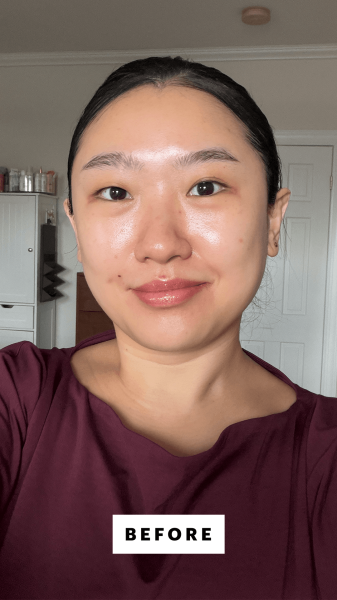
    A bare face with bold lipstick is the kind of off-duty model look that telegraphs: It’s not that I didn’t care to dress up for your party. It’s that I didn’t need to. To look polished and powerful, all you need is a slip dress, a tube of Dior Rouge, and the Prada heels you keep tucked under your desk for such occasions. Simple as that.

    Los Angeles makeup artist Sarah Walsh saw the look trending on fall and winter runways. “Skin was left almost bare, just a bit of coverage, a little dew to highlight the high points, and some mascara,” she says. “It’s a high-contrast look that exudes confidence and power.” The color is choose-your-own-adventure. Bright poppy red for the life of the party (try MAC Silky Matte Lipstick in Lady Danger) or a darker shade for a mysterious, who-is-she moment (Walsh likes Revlon ColorStay Suede Ink Lipstick in In the Zone, and Nars Explicit Lipstick in Ravenous is an Allure editor favorite).

    Berry-tinted lips

    fall makeup trends 2026 berry tinted lipsPhoto: Getty Imagesfall makeup trends 2026 berry tinted lips on Lupita Nyong'oPhoto: Getty Imagesfall makeup trends 2026 berry tinted lips on jasmine tookesPhoto: Getty Imagesfall makeup trends 2026 berry tinted lipsPhoto: Getty Imagesfall makeup trends 2026 berry tinted lips on mindy kalingPhoto: Getty Imagesfall makeup trends 2026 berry tinted lipsPhoto: Getty Images
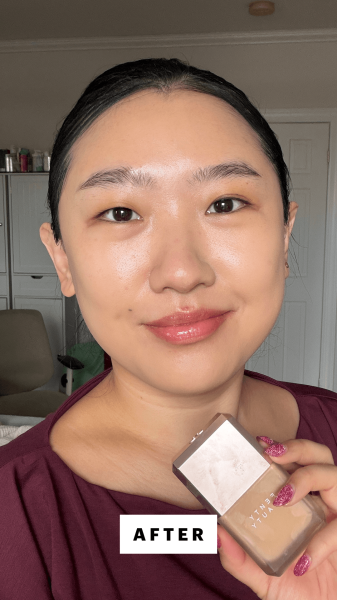
    We have to imagine that Eve, after that whole fiasco with the apple, decided what’s done is done and went all-in on a tasting tour of the Garden of Eden. She would have found that sin could be kind of a chic beauty trick. Once she made it over to the fig tree and took a bite of one of its juicy, purple fruits, she would have been left with the perfect jammy garnet lip stain.

    This fall, “people want more visible color, but many do not want the maintenance of an opaque dark lipstick,” says New York City makeup artist Christian Briceno. Fortunately, technology has come a long way since the Garden of Eden, and you don’t need a fresh fig or blackberry to get a deeply hued but transparent tint. “The stain category has evolved. Newer formulas come in oils, serums, gels, balms, and soft-matte textures,” he says. “I like that the person's natural lip color participates in the final result. You get the emotional impact of a dark lip without making the mouth look flat or too constructed.”

    Briceno starts by exfoliating the lips and applying a thin layer of lip balm, letting it sit for a few minutes, and then blotting off the excess. A smooth canvas is key. “Deep stains can collect in cracks, around the inner rim of the mouth, and on any area that is drier than the rest.” Then apply a thin layer of lip tint (he likes Rare Beauty Soft Pinch Lip Oil Stick in Fortune or Fenty Beauty Poutsicle Hydrating Lip Stain in Berry Banger) at the center of the lips, gently moving the product toward the perimeter.

    “Wait before applying another layer. Many stains become noticeably deeper as they settle,” Briceno says. “I leave it alone for a soft-matte finish or press a little balm or oil onto the center. I would not bury it under a thick layer of gloss because the tint itself should remain visible.”

    Mineral-wash shadow

    fall makeup trends 2026 mineral wash eye shadowPhoto: Getty Imagesfall makeup trends 2026 mineral wash eye shadow on jenna ortegaPhoto: Getty Imagesfall makeup trends 2026 mineral wash eye shadow on kylie jennerPhoto: Getty Imagesfall makeup trends 2026 mineral wash eye shadowPhoto: Getty Imagesfall makeup trends 2026 mineral wash eye shadowPhoto: Getty Imagesfall makeup trends 2026 mineral wash eye shadowPhoto: Getty Images
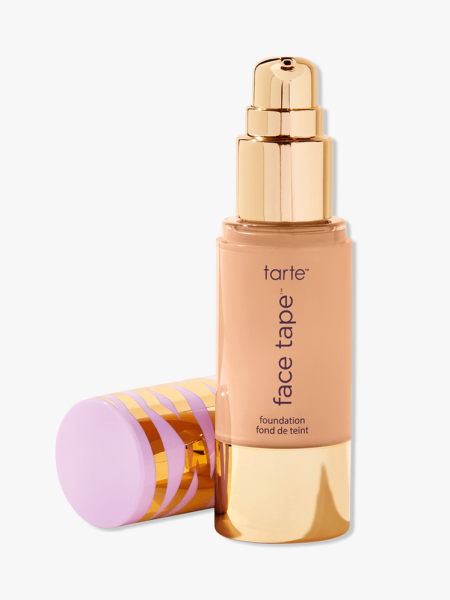
    Take a page from the book of earth signs. This season’s shadows are practical and grounded like a Virgo. That means a single wash of earthy, cool-toned, mineral-y color—slate, pewter, mushroom, greige, or a muted charcoal.

    “To me, this is not simply a gray smoky eye,” says Briceno. “A smoky eye is usually built through several shades, depth in the crease, and darker definition around the lashes. With a mineral wash, one nuanced color creates the entire mood. It can be sheer or more saturated, but the skin should still feel present beneath it.”

    Choose one color (Briceno likes Merit Solo Shadow in Nelson and Laura Mercier Caviar Stick Eye Shadow Matte in Cobblestone, while Walsh would opt for Kiko Milano Water Eyeshadow in Dark Grey for a bit more drama), and apply the shadow across the mobile lid, starting close to the upper lash line, then blend the remaining color upward. “For a softer look, I keep the color contained around the lid,” Briceno says. “For something more editorial, I extend it outward or slightly toward the brow. I do not automatically force every eye into the same winged shape.”

    Sculptural lashes

    fall makeup trends 2026 sculptural lashes on dua lipaPhoto: Getty Imagesfall makeup trends 2026 sculptural lashesPhoto: Getty Imagesfall makeup trends 2026 sculptural lashesPhoto: Getty Imagesfall makeup trends 2026 sculptural lashesPhoto: Getty Imagesfall makeup trends 2026 sculptural lashes on zendayaPhoto: Getty Imagesfall makeup trends 2026 sculptural lashesPhoto: Getty Images
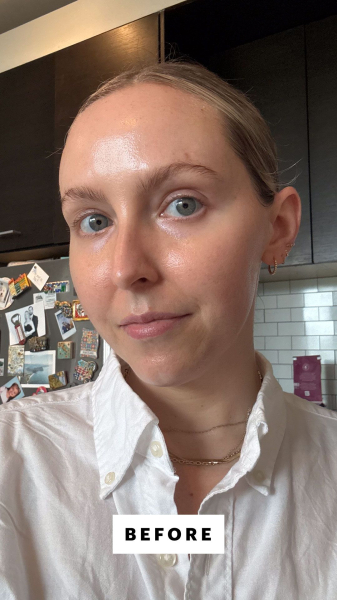
    Batting your eyelashes is far more effective when they’re truly showstopping. How could anyone say no to you when your lashes look wet like a Bond girl emerging from the ocean or spiky and crisp like Spider-Woman?

    “The lash is becoming a design choice rather than a standard final step,” Briceno says, who notes that lashes lately have been one of two extremes: either completely bare or highly sculptural. For the latter, “I like the negative space,” he says. “You can create drama around the eye while still seeing the eyelid and the person's natural eye shape. That feels lighter and more modern to me than a uniformly dense lash line.”

    For a wet lash look, start with one regular coat of mascara. Briceno likes L’Oréal Paris Telescopic Instant Lift Mascara or Benefit Badgal Bang Mascara. “The first coat should lengthen and define the lashes without making them heavy. I need the lashes to remain flexible enough to manipulate,” he says. Then use the tip of the wand to place more mascara where you want the groupings of lashes to meet. “With clean tweezers or a precision lash tool, I gently join the ends of two or three lashes.”

    If you want something even more editorial, like a spidery spike or heavy clusters, Briceno recommends going the strategically placed faux route. Kiss Lash Atelier Individual Lash Extensions Design Kit in Anime and Lashify Gossamer Lash in Cherry Stax both offer pre-mapped clusters.

    Balmy sheen

    fall makeup trends 2026 balm sheenPhoto: Getty Imagesfall makeup trends 2026 balmy sheenPhoto: Getty Imagesfall makeup trends 2026 balmy sheenPhoto: Getty Imagesfall makeup trends 2026 balmy sheenPhoto: Getty Imagesfall makeup trends 2026 balmy sheenPhoto: Getty Imagesfall makeup trends 2026 balmy sheenPhoto: Getty Images
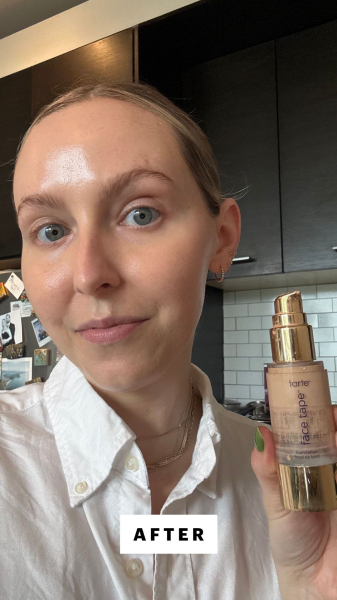
    We’d love to enter the fall looking like we spent the summer resting, hydrating, eating organic farmers market heirloom tomatoes, and lounging in the sauna. Unfortunately, for most, that’s not terribly realistic. Instead, freshly moisturized skin with a few touches of balmy sheen will have to fake the effect for us.

    It’s a “fresh, conditioned-looking complexion with moisture and reflection placed only where it benefits the face,” Briceno says. “The cheekbones, temples, and outer planes of the face can look supple and softly reflective, while the forehead, sides of the nose, undereyes, and other areas that need control remain refined.” It sits somewhere between the blurred, velvet finishes of last season and a true glass skin effect.

    The key is targeting the right areas. “People are realizing their skin isn’t one-dimensional and different areas of the face need different things,” says Atlanta-based makeup artist Tisha Thompson. “This looks and feels like real skin because you’re cheating balance and dimension.”

    “Coverage, powder, and balm are all applied selectively,” Briceno agrees. “It is not an allover wet face, and it is not a layer of metallic highlighter. The important part is the balance between sheen and control.” It sits somewhere between the blurred, velvet finishes of last season and a true glass skin effect.

    Briceno starts with moisturizer—more in dry zones, less in the oily spots—and applies foundation “where it earns its place. Some areas may need foundation, while others may need nothing. That variation is what keeps the result believable.” He likes Giorgio Armani Luminous Silk Foundation for its flexibility. He follows by warming a transparent balm like Chanel Baume Essentiel or Tower28 SuperDew between his fingers before pressing it onto the high points of the cheeks and temples.

    G-rated smoky eye

    fall makeup trends 2026 smoky eyePhoto: Getty Imagesfall makeup trends 2026 smoky eyePhoto: Getty Imagesfall makeup trends 2026 smoky eyePhoto: Getty Imagesfall makeup trends 2026 smoky eyePhoto: Getty Imagesfall makeup trends 2026 smoky eyePhoto: Getty Imagesfall makeup trends 2026 smoky eyePhoto: Getty Images
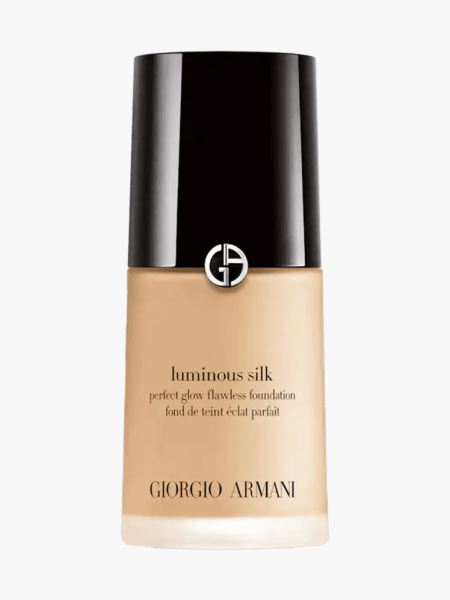
    After a club-hopping, party-going summer, we’re settling into a quieter season. Less smudgy black liner, more coy, first-date softness. This is the perfect time to bust out your trusty Urban Decay Naked Eyeshadow Palette. We also like Ilia The Necessary Eyeshadow Palette, which contains an array of warm nudes, and the Makeup by Mario Ethereal Eyes Eyeshadow Palette, which skews cooler.

    “Color this season feels richer and more sophisticated,” says Palm Beach makeup artist Tim Quinn. “Think espresso, chocolate, olive, plum, and charcoal, and everything blended, so there are no harsh edges. It feels romantic, modern, and very wearable.”

    “Start close to the lash line and build outward rather than immediately covering the entire lid,” explains Los Angeles makeup artist Nikki DeRoest. You can always expand the coverage afterward and diffuse with a fluffy shadow brush. “I also love working a dark pencil right into the roots of the lashes and smudging it so you don't see an obvious line.” DeRoest likes a Bobbi Brown Cream Liner Stick for this (try the shade Rich Chocolate to keep things soft), and Victoria Beckham Silk Kajal Liner also smudges out beautifully.

    More blush, less contour

    fall makeup trends 2026 more blush less contourPhoto: Getty Imagesfall makeup trends 2026 more blush less contourPhoto: Getty Imagesfall makeup trends 2026 more blush less contourPhoto: Getty Imagesfall makeup trends 2026 more blush less contourPhoto: Getty Imagesfall makeup trends 2026 more blush less contourPhoto: Getty Imagesfall makeup trends 2026 more blush less contourPhoto: Getty Images
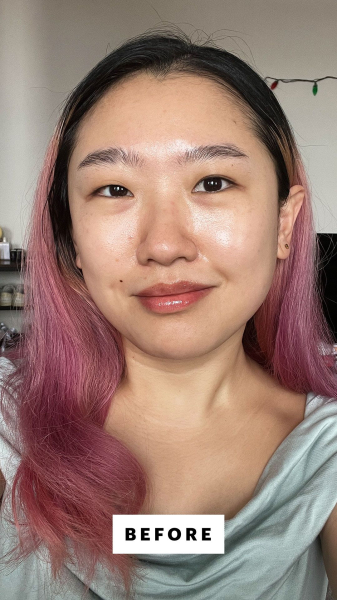
    There’s something lively and, well, cheeky about super-blushy, just-took-a-Pilates-class cheeks. So much so that New York City-based makeup artist Joseph Carrillo anticipates taking a pass on harsher contour and bronzer and opting for more blush this season.

    “You can create shape with blush,” he says. “Berry, rose, nude, and even soft terra-cotta tones are being blended higher on the cheeks and diffused outward to create lift and dimension as if it were contour. It gives the face structure without looking overly sculpted, and the result feels much more modern and wearable.”

    Carillo starts with a blendable cream formula (he likes Merit Flush Balm or Rhode Pocket Blush, and we love how pigmented and buildable the new YSL Make Me Blush Cream Blush is) and places it along the top of the cheekbones before blending upward to create lift (your fingers are a great tool for this).

    “It brings life back into the complexion while adding subtle structure,” he says. “It’s less about sculpting and more about creating healthy-looking dimension.”

    Skin-first beauty

    Fall makeup trends 2026 Skinfirst beautyPhoto: Getty ImagesFall makeup trends 2026 Skinfirst beautyPhoto: Getty ImagesFall makeup trends 2026 Skinfirst beautyPhoto: Getty ImagesFall makeup trends 2026 Skinfirst beautyPhoto: Getty ImagesFall makeup trends 2026 Skinfirst beautyPhoto: Getty ImagesFall makeup trends 2026 Skinfirst beauty on zendayaPhoto: Getty Images
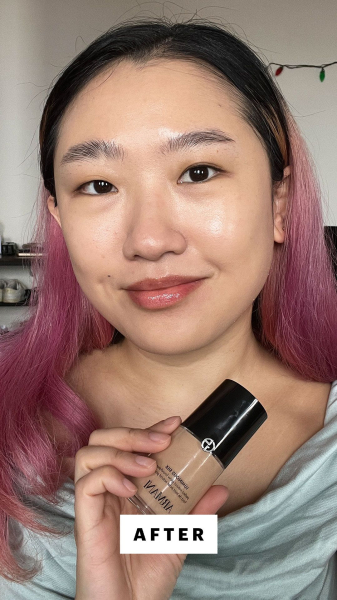
    Helen of Troy would have no need for a vanity table. Her beauty routine was simply a spray of sea mist on her face and a cliffside Mediterranean breeze to style her hair. That’s the conceit of this organic, skin-forward beauty trend we’re seeing, thanks in part to a parade of Grecian-inspired Odyssey red carpet looks. If Zendaya does it, a million more will follow.
    “I love that you still look like you,” says New York City makeup artist Priscilla DiStasio. “You can see freckles. You can see dimension. You can see actual skin. The complexion is even and polished, but it doesn’t feel masked.”
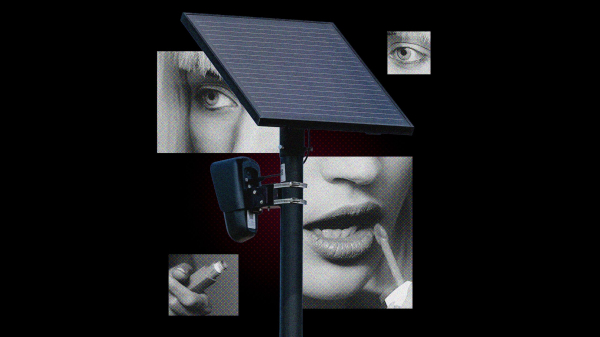
    “The trick is not necessarily using less makeup everywhere. It's knowing where you actually need coverage and where you don’t,” she says. DiStasio likes to start with a small amount of No Makeup Makeup Foundation (Danessa Myricks Yummy Skin Blurring Balm Powder has similar light, buildable coverage) at the center of the face, blending outward. Follow with a touch of blush for that just-launched-a-thousand-ships flush. Carrillo likes the Patrick Ta Major Headlines Double-Take Crème and Powder Blush Duo—and voilà! Positively statuesque.